


The Peacock at Owler Bar
📍 Address: Owler Bar
📞 Phone: +44 114 303 7074
🌐 Website: https://www.peacockowlerbar.com/
★★★★★
Rating:4.2
From Field to Plate: Why Your Dining Choices Matter More Than Ever
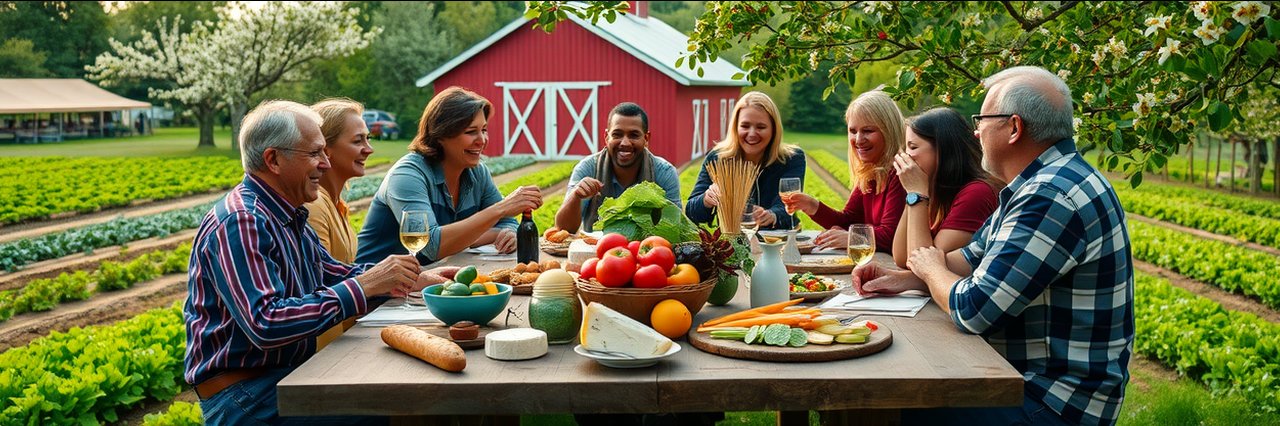
Picture sitting by a crackling fire on the edge of the Peak District, a plate of food in front of you that’s not only delicious but rooted in the landscape just beyond the window. In today’s fast-moving world, where convenience often overshadows quality, the concept of farm-to-fork dining has emerged as a counterpoint—a way to reconnect what we eat to where it comes from. But why is this shift so important, and how does it impact our day-to-day lives? The answers may surprise you, especially as more diners seek authenticity and flavour in every bite.
Farm-to-fork dining is swiftly transforming the expectations of restaurant goers, moving the conversation beyond mere taste to a deeper understanding of how sourcing and sustainability play a role in every meal. This approach places locally-sourced ingredients at the heart of the culinary experience—delivering dishes that not only taste fresher but also represent a vital connection to local producers and seasonal rhythms. As awareness grows about the environmental impact of global food systems, more eaters are asking, “What’s on my plate—and how did it get there?” It’s a question that demands a thoughtful answer, and a growing movement that truly changes the game for diners, producers, and communities alike.
Farm-to-Fork Dining: Bridging Taste, Sustainability, and Community
At its core, farm-to-fork dining is a commitment to sourcing ingredients as close to the restaurant as possible—think of vegetables picked just hours before service, meats from local farms, and dairy from nearby producers. This method celebrates provenance and seasonality, forging a direct connection between consumers, chefs, and the land itself. The result: food that’s not only fresher but embodies the very best of a region’s harvest, offering richer flavours and nutritional value. For many, the farm-to-fork approach turns dining from a passive activity into an engaging, meaningful experience, raising the bar for what we should expect from a meal out.
However, this increased transparency and focus on local ingredients does much more than tantalise the tastebuds. With global supply chains often shrouded in complexity, diners who choose farm-to-fork are demanding accountability—which, in turn, supports smaller producers, reduces food miles, and curtails the environmental cost of excessive transportation. On the flip side, those who aren’t yet educated about this movement may find themselves missing out, settling for lacklustre dishes or contributing unwittingly to unsustainable practices. There’s a growing sense of urgency: as diners, our choices matter not only to our palates, but to the ecosystems and communities that sustain them. Understanding farm-to-fork isn’t just a culinary curiosity—it's a vital ingredient in a healthier, more ethical dining future.
How Farm-to-Fork Dining Elevates Flavour, Freshness, and Local Impact
It’s easy to dismiss “local sourcing” as a culinary buzzword, but when farm-to-fork dining is prioritised, the results are tangible—right on the plate. Menus inspired by fresh, local ingredients boast more vibrant tastes and textures, thanks to the minimal time between harvest and preparation. Diners notice crisp salads and perfectly ripened vegetables—a testament to the value of proximity in food sourcing. This approach not only enhances the freshness of every meal but ensures that the unique qualities of Peak District and Derbyshire produce can truly shine.
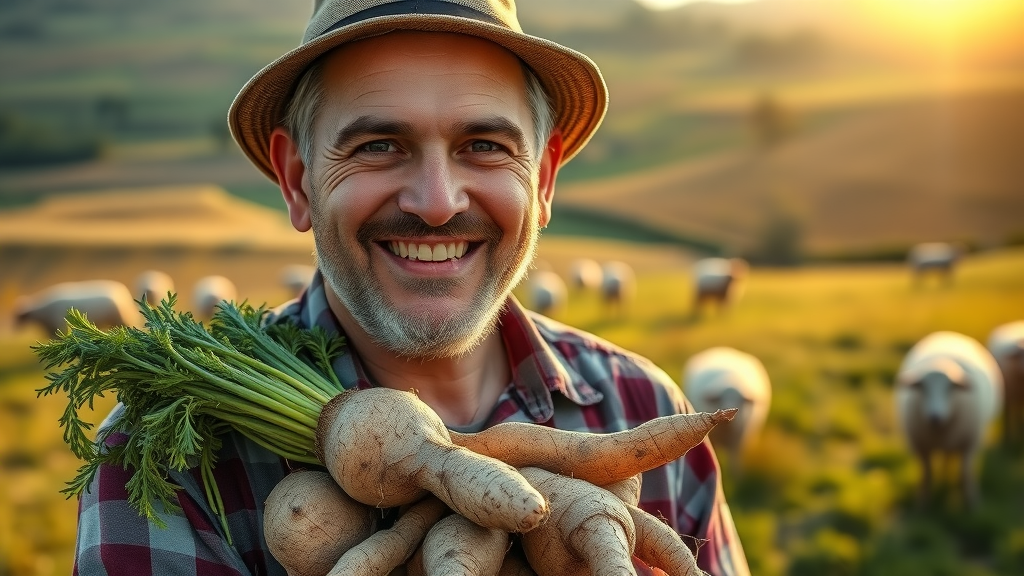
Restaurants committed to the farm-to-fork philosophy become essential contributors to local economies, funnelling support back to farmers, dairies, bakers, and small producers. When you choose a meal made from local, seasonal ingredients, you’re not just indulging in a culinary treat; you’re participating in a movement that values stewardship of land and community. In regions like Sheffield and its outskirts, this philosophy translates to menus that change with the seasons, creative chef-driven specials, and a deeper relationship between diner and plate. Ultimately, the value of farm-to-fork dining lies in its ripple effect: it improves wellbeing, fosters economic health, and transforms each dining experience into something both exceptional and responsible.
Locally-Sourced Menus: Connecting Diners to Derbyshire’s Bounty
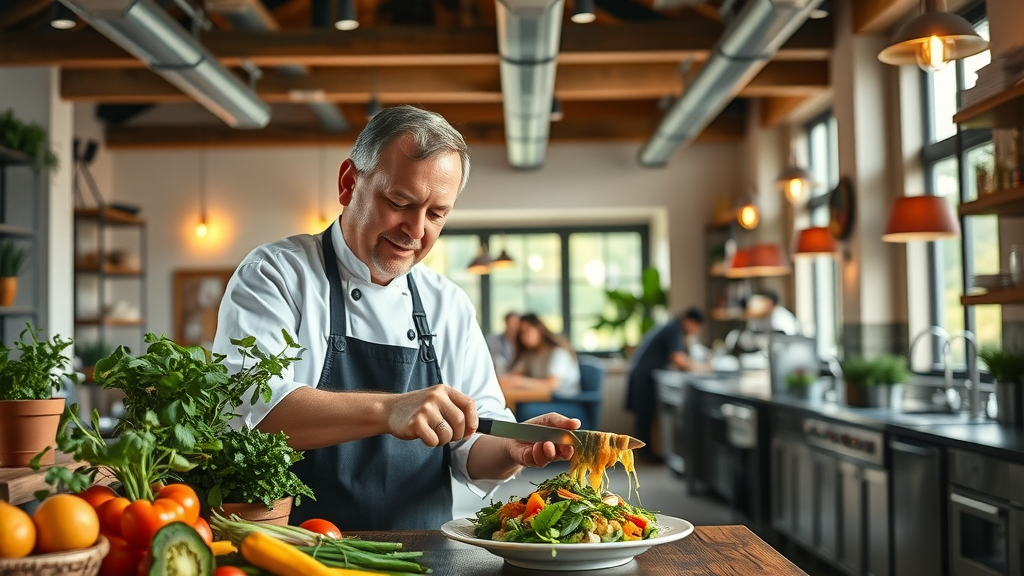
An authentic farm-to-fork approach means more than simply listing the origins of ingredients—it’s about curating a dining experience that transports guests into the patchwork fields and family farms of the local countryside. Every lovingly prepared dish is an invitation to explore the flavours of the region, whether it’s hearty pub fare following a wind-swept ramble or refined plates designed for celebration. The close relationship between chef and producer means that menus can easily pivot with the seasons, ensuring peak ripeness and maximum flavour in every offering.
For diners seeking quality and provenance, the assurance of meals made with Derbyshire’s finest is a genuine draw. Local sourcing fosters creativity, allowing menus to showcase the richness of Peak District game, seasonal root vegetables, and artisan cheeses—all delivered with care and attention. It’s this focus on welcoming guests to experience “the best farm-to-fork pub food Sheffield has to offer” that marks the most esteemed dining destinations as truly exceptional.
Atmosphere Matters: Creating Moments Around the Table
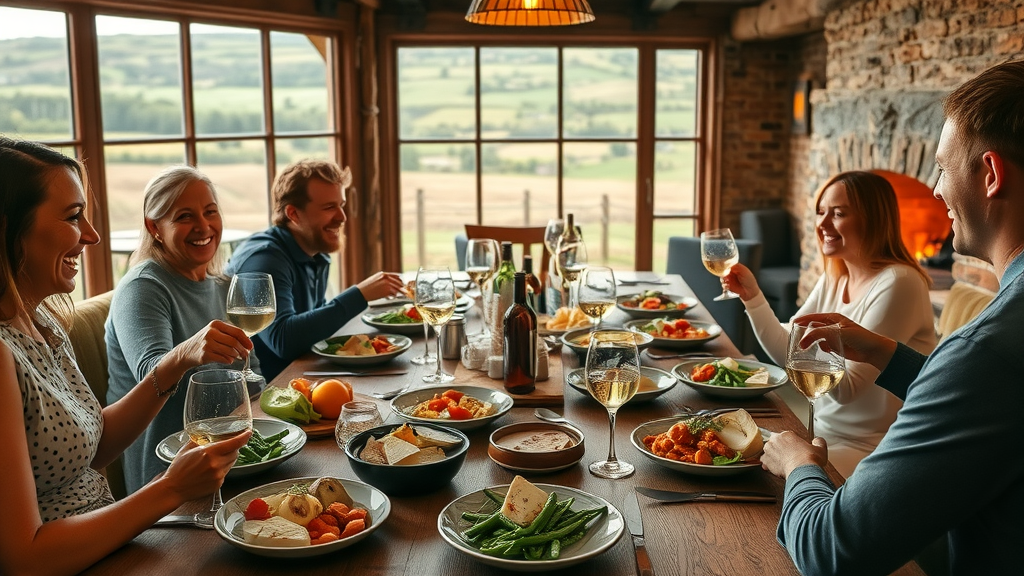
Farm-to-fork isn’t just about what’s on the plate, but the moments made around the table. Restaurants that champion local ingredients often strive for a sense of place—welcoming spaces with timeless charm, roaring fires, and panoramic views that invite guests to linger. The environment echoes the values of the menu itself: comfort, warmth, and authenticity. Every element, from the décor to the service, is designed to honour the journey from field to fork, turning meals into memories worth cherishing.

The importance of hospitality weaves through every aspect of the dining experience. Menus become conversation starters, while knowledgeable staff help guide diners towards flavours and pairings that amplify the character of local ingredients. Whether you’re celebrating a milestone, gathering with family, or simply rewarding yourself after a day’s adventure, the atmosphere nurtures a connection—to food, to fellow diners, and to the landscape itself.
Fresh Menus for the Seasons: Adapting to Nature’s Rhythm
True farm-to-fork dining demands a flexible, seasonally-driven kitchen. With every change in weather, chefs embrace the opportunity to highlight what’s just been harvested, encouraging guests to savour the fleeting joys of each time of year. A spring menu might feature delicate greens and early root vegetables, while autumn introduces earthy mushrooms and slow-cooked meats. This constant evolution not only keeps things fresh and interesting for regulars, but also allows every visit to feel special—reflecting the landscape beyond the restaurant’s doors.
Dynamic sourcing not only celebrates nature’s bounty but educates diners on seasonality. Learning to expect—and appreciate—what’s local and ripe at each time of year can deepen our connection with food and foster greater appreciation for the work of local farmers. Regular menu updates become an anticipated event, drawing guests back to rediscover new favourites and enjoy the true expression of the region’s harvest.
The Peacock at Owler Bar: Dedicated to Local Flavour and Timeless Hospitality
As one of Sheffield’s standout destinations for those seeking a true taste of farm-to-fork dining, The Peacock at Owler Bar blends a storied setting with a passion for local excellence. The approach here is simple, yet profound: serve “exceptional food without the faff,” drawing on the finest ingredients from the Derbyshire countryside while pairing them with a commitment to warm, welcoming service. This local-first philosophy is evident in every aspect, from menu design to the carefully crafted drinks list, to the effortless hospitality that ensures guests always feel at home.
The mission behind The Peacock at Owler Bar is rooted in creating “moments you’ll want to come back for.” By championing local producers and offering a place where every visitor—ramblers, foodies, families, and even four-legged friends—can linger and connect, the pub reinforces the role of farm-to-fork dining as more than a passing trend. It’s a return to quality, community, and the joy of sharing meals in spaces where every detail, from the food to the “crackling fires in winter,” evokes authenticity and care.
Staying true to this philosophy requires not just culinary skill, but also an unwavering respect for the land and those who tend it. The value of investing in relationships with suppliers is evident in every aspect of the guest experience, from the “indulgent plates at your table” to the “sound of hearty laughs at the bar.” The result is a place where nothing matters more than good food with great people—demonstrating the transformative power of farm-to-fork dining done right.
Guests Celebrate the Farm-to-Fork Experience: A Voice from the Table
For many diners, the magic of farm-to-fork dining goes beyond expectation. It’s not only about the food, but the whole experience—something that’s reflected in glowing guest testimonials. One reviewer sums up what makes locally-sourced meals, attentive staff, and unique menus come together in a way that’s truly memorable:
Highly recommended… This beautiful hideaway restaurant is a must. We’ve been a few times and absolutely love it here. Incredible food, professional staff and a great atmosphere. I had the 10oz sirloin steak medium well with blue cheese sauce, my partner had 8oz fillet steak and peppercorn sauce, skin cut chips, fresh crunchy salad (that dressing was incredible) flat mushroom with melted cheese, everything tasted great and just how we ordered. That good we shared a dessert. 10/10 ⭐️⭐️⭐️⭐️⭐️
Such appreciation reveals what’s possible when farm-to-fork values underpin every aspect of a restaurant—from the freshness of the food to the care in service and welcoming environment. For anyone wanting to experience these benefits firsthand, the evidence is clear; diners consistently find the combination of local produce, skilled preparation, and heartfelt hospitality to be a recipe for satisfaction and return visits.
Rethinking the Modern Meal: Why Farm-to-Fork Dining Is Here to Stay
Farm-to-fork dining isn’t just a fleeting trend—it represents a fundamental rethink of what it means to eat well and do good at the same time. The approach has proven itself as a model where taste, nutrition, and sustainability thrive in harmony, creating meals that feel honest, nourishing, and memorable. As more diners seek experiences rooted in connection, seasonality, and a sense of place, the contribution of championing locally-sourced pub food becomes ever more relevant.
The legacy of this movement can be felt every time a guest savours a meal made with Derbyshire’s best, within the welcoming embrace of a historic inn or pub. It’s a testament to the fact that farm-to-fork dining transforms more than just our plates—it changes how we relate to food, nature, and each other. In Sheffield’s vibrant dining landscape, it’s clear that the commitment to quality and community will continue to set the standard for what great meals can, and should, be.
Contact the Experts at The Peacock at Owler Bar
If you’d like to learn more about how farm-to-fork dining could benefit your dining experience, contact the team at The Peacock at Owler Bar. 📍 Address: Owler Bar, Sheffield, England 📞 Phone: +44 114 303 7074 🌐 Website: https://www.peacockowlerbar.com/
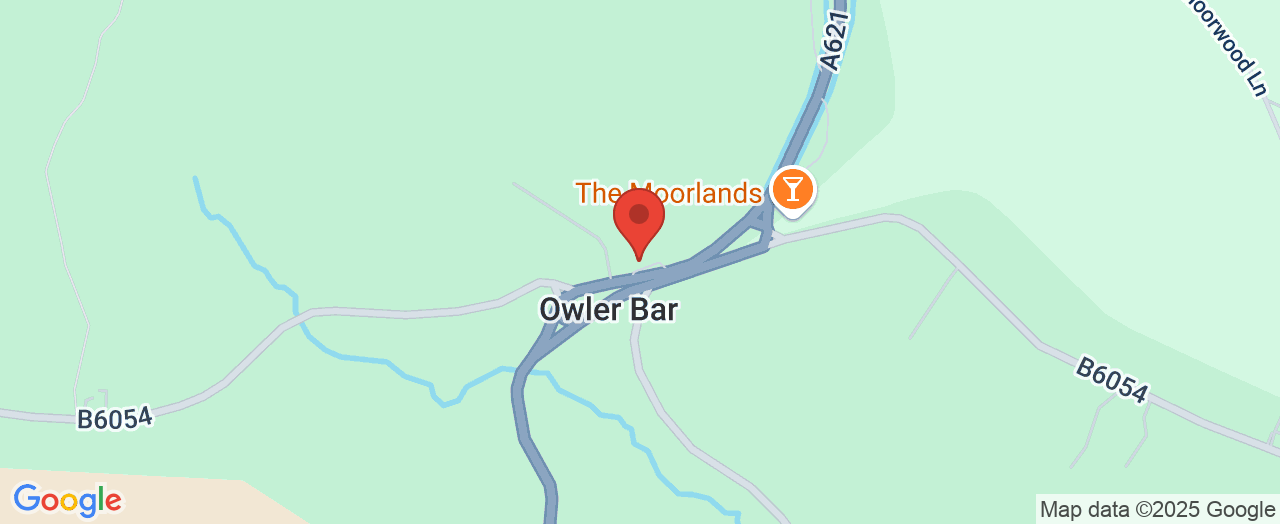
The Peacock at Owler Bar Location and Availability
🕒 Hours of Operation:📅 Monday: 11:00 am – 11:00 pm📅 Tuesday: 11:00 am – 11:00 pm📅 Wednesday: 11:00 am – 11:00 pm📅 Thursday: 11:00 am – 11:00 pm📅 Friday: 11:00 am – 11:00 pm📅 Saturday: 11:00 am – 11:00 pm📅 Sunday: 11:00 am – 11:00 pm


Write A Comment