


Chesterfield Roofing Ltd
📞 Phone: +44 1246 914996
🌐 Website: https://www.roofingrepairschesterfield.co.uk/
★★★★★
Rating:5.0
Why Historical Building Restoration Is More Important Than Ever
Imagine walking through a town centre filled with grand old churches, ornate chimneys, and historic brickwork—all standing as silent witnesses to decades or even centuries of community life. But behind those beautiful facades, many historical buildings face a battle against time, the elements, and sometimes careless repairs. If these cherished structures aren't restored carefully, vital pieces of our shared history and culture could disappear forever. Historical building restoration isn’t simply about repairing walls and roofs; it’s about honouring craftsmanship and making sure the stories built into these structures are passed down to future generations.
Dealing with the restoration of a historic building can often feel overwhelming. There are complex rules, the risk of damaging irreplaceable details, and the continual challenge of marrying traditional techniques with modern building codes. The value of approaching restoration with thought and expertise cannot be overstated—when done right, it preserves architectural authenticity and ensures safety for everyone who visits or uses these spaces. With so much at stake, understanding the ins and outs of historical building restoration is not just important—it’s absolutely essential for community heritage and security.
Understanding Historical Building Restoration: More Than Just Repairs or Makeovers
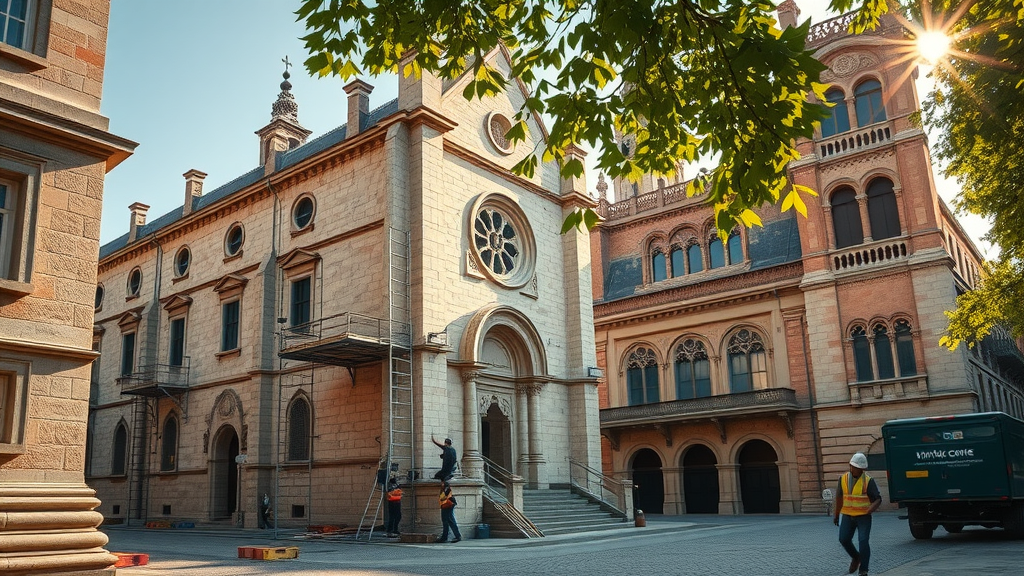
Historical building restoration is the meticulous process of bringing old, often listed, properties back to their original character and stability. Rather than a simple patch-up job, restoration requires skill in traditional brickwork, an understanding of older building materials, and patience for the details that make each structure unique. Whether repairing the chimney stack on a centuries-old cottage or conserving a church’s decorative spire, every decision made during restoration has long-lasting impacts. It’s not just about making a building watertight again; it’s about preserving history itself and making sure heritage sites stay structurally sound and safe.
Many people think that restoring historic buildings is only about aesthetics, but overlooking the technical side can lead to serious problems. Improper restoration risks damaging original features, using the wrong materials, or even making existing problems worse. This can translate into significant costs, lost historical details, or safety hazards for the public. Moreover, building regulations often require specialized approaches for graded or listed properties, adding another layer of complexity. That's why proper historical building restoration—with attention paid to methods, materials, and legal requirements—is the only way to truly safeguard these cultural treasures. Fail to do so, and the emotional and historical connections woven into every stone, timber, and brick could fade away for good.
Preserving the Past, Securing the Future: Real Benefits of Skilled Historical Restoration
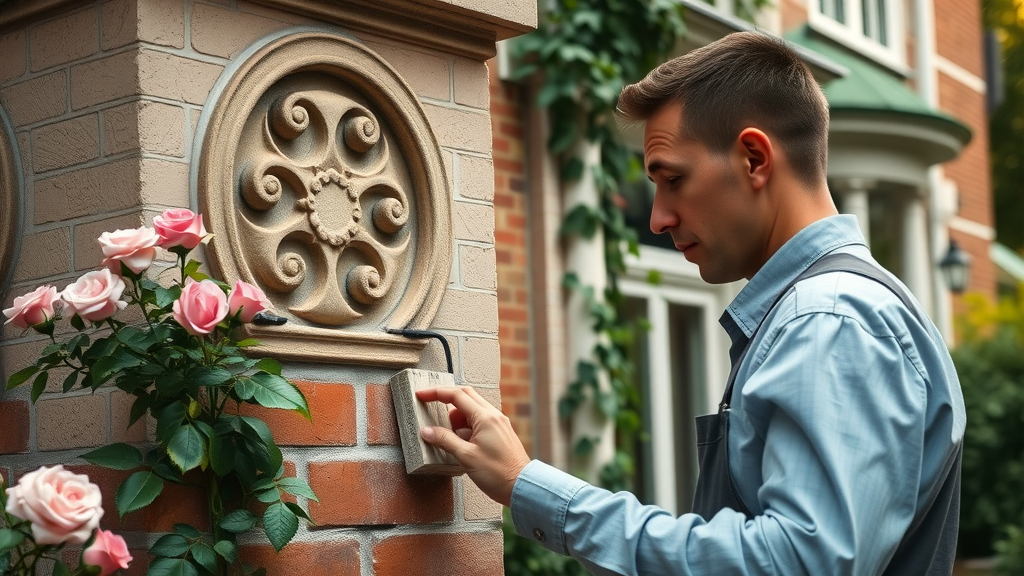
Drawing on years of hands-on experience, experts in historical building restoration bring invaluable skills to every project—from working with ancient chimney stacks to restoring spires that shape a community skyline. Their focus on precision brickwork and understanding of the unique needs of listed properties means each repair respects the original craftsmanship. The greatest value comes from the ability to repair without erasing the past. By addressing safety issues, like failing roofs or unstable masonry, restoration prevents dangerous conditions while extending the lifespan of irreplaceable buildings. Professionals also help clients avoid costly mistakes that could come with less tailored or rushed repairs.
When a historical restoration is performed with care, it doesn't just preserve visual beauty—it ensures the structural integrity and functionality of the building for decades to come. For property owners, this approach safeguards their investment, provides peace of mind, and means a lot less worry about storm damage or emergencies disrupting lives or businesses. On the community level, restored historical buildings continue to serve as landmarks, places of worship, or family homes—enhancing collective memory and identity. Whether it’s a cathedral spire or a humble brick chimney, the difference made by experienced hands is lasting, practical, and deeply human.
Restoring Character: The Art and Challenge of Decorative Brickwork
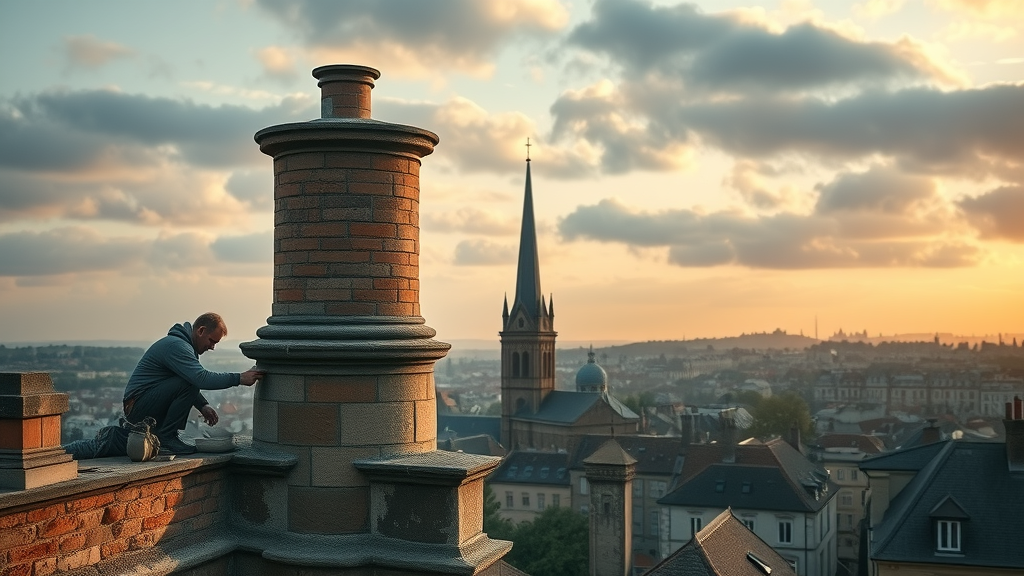
Many historical buildings owe their charm to unique decorative brickwork, which requires a special touch to restore. This isn’t the same as regular bricklaying; it calls for a deep understanding of traditional patterns, brick types, and mortar textures. Mistakes in this area can dull a building’s historical value or even compromise its structure. By sticking to tried-and-true methods honed over years of restoration work, specialists are able to repair or replicate aged designs—making the new blend seamlessly with the old. For chimneys, church towers, or ornate facades, skilled brickwork not only maintains appearances but reinforces the strength of the whole structure.
From Cathedrals to Cottages: Why Restoration Skills Matter for All Property Types
Whether it’s a busy city church, a remote country home, or a Grade II listed storefront, every historical building presents its own restoration puzzle. Large contracts for national heritage sites might require special scaffolding, in-depth heritage audits, and collaboration with conservation officers, while smaller dwellings depend on careful matching of materials and sympathetic repairs. The knowledge gained from working on everything from spires to simple roof repairs means restoration can be tailored for each building’s needs. This balanced approach respects both the brick-and-mortar facts and the community significance held by these structures. In every case, skilled restoration keeps the links between past and present alive, practical, and sustainable.
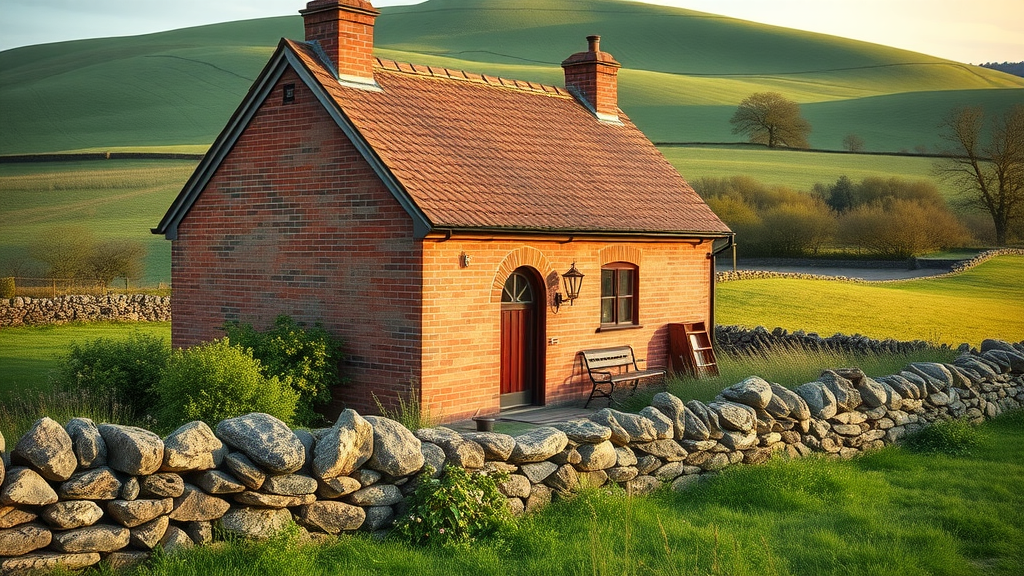
Lessons from the Past: How Poor Repairs Can Lead to Lasting Damage
It’s tempting to look for quick fixes when dealing with leaking roofs or damaged walls in historic buildings, but shortcuts rarely pay off. Over the past 20 years, real-world experience has shown that poorly chosen modern materials, rushed workmanship, or lack of understanding can mask deeper issues. Failures like these don’t just risk future costs—they can hasten the loss of original features for good. Restoration professionals know that every old tile, piece of leadwork, or ridge needs thoughtful assessment. With the right care—and a refusal to cut corners—historic buildings can avoid crisis repairs and costly surprises. It’s a commitment not just to property, but to heritage itself.
Restoration Expertise Through a Local Lens: Philosophy Built on Experience
Chesterfield Roofing Ltd’s approach to historical building restoration centers on a respect for both tradition and longevity. The family-run business, rooted in the Chesterfield community for over 20 years, has made it clear that every project—whether large or small, sacred or commercial—is handled with an eye for detail and honesty. Their focus isn’t simply on replacing old with new. Instead, work is guided by the belief that even the most basic roof repair holds meaning for those who rely on the building for shelter, commerce, or community. True expertise means caring for every element, from a single ridge tile to the highest cathedral spire, with equal skill and patience.
Working across everything from emergency repairs to long-planned restorations, their methods prioritize safety, durability, and authenticity. The commitment to traditional craftsmanship can be seen in every chimney stack or decorative brick brought back to life—and in the respect shown to listed properties facing unique legal and engineering demands. The philosophy is simple: make every repair count, blend restoration seamlessly with original materials, and never sacrifice quality for speed. This ethos, developed over decades, helps protect the cultural identity stitched into each building project for the long haul.
Customer Success Stories: Confidence in Every Restoration Outcome
When it comes to trusting a professional with the restoration of a historic building, nothing matters more than real-life outcomes. Those who’ve experienced thoughtful, high-quality repairs often describe relief, satisfaction, and a renewed sense of pride in their properties. One recent example, recounted in an online review, highlights how true expertise leads to peace of mind and tangible results for property owners:
I recently had a leaking roof that needed repairing, Chesterfield Roofing came out very quickly, quoted and carried out the repair to a high standard. The whole process was friendly, efficient and great value, they even looked at parts not initially quoted, I would highly recommend.
Positive experiences like these do more than protect historic buildings—they build trust within a community and encourage more property owners to honor and maintain local heritage. If you value security, reliability, and the preservation of character, choosing proven restoration expertise means the difference between ongoing worry and lasting confidence in your property.
What Thoughtful Historical Restoration Means for Communities and Heritage
Every decision made during historical building restoration makes a difference—not just for individual properties, but for entire communities. The remarkable work done by experienced professionals such as those at Chesterfield Roofing Ltd demonstrates how careful, skilled restoration of features like church spires, chimneys, and decorative brickwork strengthens ties to the past while ensuring years of safe, worry-free use. The benefits of historical building restoration extend from personal peace of mind to the shared pride of seeing local landmarks endure and inspire. Investing in knowledgeable, empathetic restoration means giving history a meaningful and lasting place in everyday life.
Contact the Experts at Chesterfield Roofing Ltd
If you’d like to learn more about how historical building restoration could benefit your property or local area, contact the team at Chesterfield Roofing Ltd.
📞 Phone: +44 1246 914996
🌐 Website: https://www.roofingrepairschesterfield.co.uk/
Chesterfield Roofing Ltd - Location and Hours
🕒 Hours of Operation:
📅 Monday: 9:00 AM – 3:00 PM
📅 Tuesday: 9:00 AM – 3:00 PM
📅 Wednesday: 9:00 AM – 3:00 PM
📅 Thursday: 9:00 AM – 3:00 PM
📅 Friday: 9:00 AM – 3:00 PM
📅 Saturday: ❌ Closed
📅 Sunday: ❌ Closed


Write A Comment