


Did you know 85% of local businesses adopting AI report increased customer engagement? Discover how using AI for local business can transform your home services, making operations smarter and enhancing customer communication to keep clients happier

AI for Local Business: Why It Matters for UK Home Service Professionals
For UK home service professionals, standing out as a small business in a competitive market is tougher than ever. With customer demands evolving rapidly and digital expectations rising, it’s critical for business owners to find smarter, faster ways of working. That’s where AI for local business comes in. Using AI tools can help small businesses improve efficiency, reduce admin time, and significantly enhance customer service and customer experience. Whether you’re a plumber juggling bookings or an electrician looking to generate more leads, using AI tools offers small businesses the solutions to save time and improve customer communication.
AI tools can also help small businesses respond to client enquiries promptly, automate routine tasks such as appointment scheduling, and provide instant support via AI chatbots. For many small businesses in the home services sector, adopting AI is no longer an option – it’s the new standard for staying ahead. Throughout this guide, we will show you clear steps and practical tips to start using AI in your daily operations, so you can compete with larger firms without losing that personal local touch.
-
What You'll Learn in this AI for Local Business Guide:
The basics of using AI for local business growth
How AI can help small businesses improve efficiency and customer experience
Practical steps to choose and implement AI tools
Common challenges and how to avoid them
Understanding AI for Local Business: Key Terminology & Benefits

Getting to grips with artificial intelligence is essential for anyone looking to benefit from AI for local business. At its core, AI refers to computer systems that perform tasks usually requiring human intelligence, such as understanding language, learning from data, or making predictions. In the context of small business, AI tools and AI chatbots can handle customer communications, predict busy periods, or even automate marketing campaigns—helping you stay ahead without extra staff.
Simple AI solutions can answer customer queries automatically, schedule appointments via smart online calendars, and alert you when equipment might need maintenance. For local businesses, these benefits translate directly into time saved, improved accuracy, and a more professional, consistent presence for your clients. You don’t need to be a tech expert to get started; many UK home service business owners are already seeing the returns from automating just a few everyday tasks.
As you explore the practical benefits of AI for your local business, it's also important to understand the potential limitations and ethical considerations of relying on AI-driven agents. For a deeper look at how AI agents impact business owners and why they shouldn't be seen as replacements for genuine human relationships, you may find this article on the real impact of AI agents on business operations particularly insightful.
-
Key Terms Used in AI for Small Businesses
Artificial Intelligence (AI): Computer systems that perform tasks which usually require human intelligence.
AI tools & AI chatbots: Software solutions designed for automating customer communication and support.
Machine learning: AI that learns and improves from experience, adapting to new data.
Customer service automation: AI-driven processes that handle support tasks independently.
Customer communication enhancement: AI techniques that make communication with customers smoother and more effective.
“AI can help small businesses compete more effectively and deliver superior customer experience, especially in the home services sector.”
How AI Can Help Small Business Owners in Home Services
When you embrace using AI for local business, the benefits help small businesses reach far beyond convenience to improve customer service and operational efficiency. For home service professionals—such as plumbers, electricians, or landscapers—AI tools can help streamline daily operations. Automating appointment scheduling means customers can book you any hour of the day, while predictive maintenance features help avoid costly downtime. AI chatbots, as powerful AI tools, never sleep, enabling small businesses to answer questions or take bookings 24/7, lifting pressure off your team during peak season.
Proactive communication, like appointment reminders or personalised follow-up messages, enhances your reputation and turns one-time clients into loyal customers. With AI, small business owners are now equipped to manage workplace details, automate repetitive processes, and ensure nothing falls through the cracks—even as their businesses grow. By using AI strategically, local professionals can focus more on delivering excellent work and less on paperwork.
-
Top Ways AI for Local Businesses Makes a Difference:
Streamlined appointment scheduling
Upskilled customer service using AI chatbots
Proactive customer communication
Predictive maintenance (for equipment-based services)

Using AI Tools: Practical Applications for Home Services Businesses
Automating Customer Communication with AI Chatbots
AI chatbots are among the simplest and most effective AI tools that help small businesses improve efficiency and customer service. With an AI chatbot, customers can get instant answers to their queries, book services, or receive quotes—even during evenings or weekends when you’re off the clock. This type of tool automates the repetitive back-and-forth, freeing up phone lines and allowing you to focus on jobs rather than admin. For local business owners, this means you can provide excellent customer service without needing to hire extra staff. Whether you’re managing multiple appointments or handling frequently asked questions about your services, AI chatbots ensure every potential lead receives prompt, accurate attention—keeping your reputation strong as you grow.
Setting up AI chatbots is straightforward, with many popular AI tools for local business offering templates designed for home services. These chatbots can be integrated with your website, social media accounts, or messaging apps, so clients can contact you on their terms. You’ll also benefit from automated record-keeping, as each interaction is saved and can be reviewed to improve future responses or streamline common requests. By using AI tools for customer communication, UK small businesses can stand out in a competitive market, impressing new clients and enhancing overall customer experience.
Improving Customer Service and Experience with AI Tools
Customers now expect rapid, reliable responses from their local service providers. With AI tools, you can lift your customer service levels using automation for everything from booking confirmations to real-time updates about job progress. AI-powered apps analyse past communications to suggest personalised responses or anticipate when a customer might need a reminder, helping you maintain a professional yet human touch. These improvements not only keep your current clients happy but are likely to boost your customer experience ratings on review platforms—essential for attracting new work.
Integrating AI into client interactions helps small business owners provide a seamless, high-quality service at every touchpoint. It can also help small businesses gather feedback, flag potential issues sooner, and provide transparent communication about delays or updates. This smarter workflow leads to fewer missed appointments, better managed expectations, and ultimately, glowing testimonials that drive business growth.
Enhancing Marketing and Lead Generation Using AI for Local Business
Marketing and lead generation are crucial for growing your home services business. AI tools can analyse which marketing campaigns are delivering results and help small businesses optimise strategies to maximise return on investment. Tools such as Jasper use AI to automatically generate persuasive copy for blog posts, social media, and ads, while chatbots engage visitors on your website, converting interest into confirmed leads. This means you spend less time drafting adverts or chasing up lukewarm prospects and more time closing deals and servicing your best clients.
AI-powered lead scoring systems sift through enquiries to highlight the most promising prospects, making your sales efforts more efficient. By utilising AI algorithms to evaluate data on customer behaviour, you can personalise marketing messages, recommend services at the right time, and develop a reputation for reliability and innovation in your local community. When you use AI for sales and marketing, your home services business can build a competitive edge without adding to the workload.
Comparison Table: Top AI Tools for Small Businesses |
|||
AI Tool |
Use Case |
Pricing |
Best For |
|---|---|---|---|
ChatGPT |
Customer communication |
Free/Paid |
All home services |
Tidio |
AI chatbots for support |
Paid |
Customer service |
Jasper |
Marketing content |
Paid |
Lead generation |
How Small Businesses Use AI: Real-World Home Services Examples
Across the UK, small business owners are already benefiting from using AI tools in their daily operations to improve customer communication and streamline processes. For example, many plumbers now employ AI chatbots on their websites to issue instant quotes, saving both time and reducing the number of phone enquiries piling up. Electricians have boosted efficiency by automating appointment scheduling and reminders, significantly reducing no-shows and admin time. Landscapers are finding creative ways to use AI, such as analysing previous job preferences to personalise their marketing offers, improving the relevance and effectiveness of every message sent.
These real-world stories prove that AI isn’t just for large corporations. Home services professionals are leveraging smart tools to stay on schedule, provide a consistent client experience, and maintain healthy margins—even as costs rise. By sharing successful strategies and tools, other UK businesses can find inspiration to trial similar approaches, demystifying AI adoption and making the benefits accessible to all local trades.
-
Success Stories Using AI for Local Business:
Plumbers using AI chatbots for instant quotes
Electricians scheduling appointments automatically
Landscapers personalising offers via AI insights
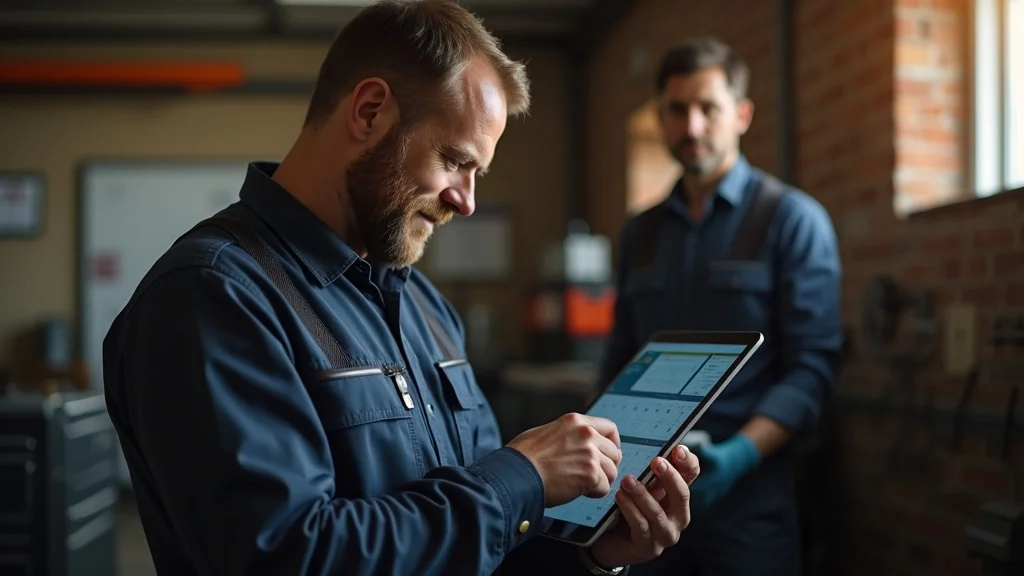
“Since we started using AI tools for appointment bookings, our admin time has halved and clients love the quick response.” – Local UK Electrician
Beginner’s Guide: Step-by-Step Process to Start Using AI for Your Local Business
Identify your business needs: Look at which tasks are slowing your business down or causing the most hassle. Common processes to automate include appointment bookings, reminders, or initial customer communication.
Research the right AI tools for small businesses: Read reviews, compare features, and check which solutions are designed for trades like yours. Choose reputable AI tools that prioritise data protection and customer support.
Test AI chatbots or automation software: Most providers offer free trials. Try the selected software with a few clients first, gathering feedback and checking for any glitches.
Train your team on new systems: Make sure staff know how to use the tool, what client data is collected, and how to manage exceptions. Good training is essential to smooth AI adoption.
Monitor results and customer experience: Measure time saved, customer feedback, and overall satisfaction. Adjust workflows as needed, and scale up as you gain confidence.
Common Myths About AI for Local Business: What Small Businesses Need to Know
There’s a lot of misinformation about AI, especially for local businesses. Some worry that AI is only suitable for large corporations or that implementing it could break the bank. Let’s set the record straight:
Myth: AI is only for big companies – Fact: Today, affordable and user-friendly AI tools are built specifically for small businesses, making it easier than ever to get started.
Myth: Implementing AI is too expensive for a small business – Fact: Many great AI chatbots and process automation solutions offer free plans or low monthly fees – the savings in admin time easily justify the investment.
Myth: AI takes jobs away from staff – Fact: AI for local business is about automating repetitive admin so your team can focus on skilled, value-adding work and deliver better customer experience.
Addressing Challenges: Best Practices for Small Business Owners Using AI

Adopting AI for your local business can seem daunting, but following best practices makes the transition smooth and successful. Start by targeting one or two pain points—such as appointment scheduling or answering FAQs—then assess the results. Communication with your team is vital, ensuring everyone knows why changes are happening and how AI tools will benefit both staff and customers. Invest in training, making sure your team is confident using new systems, and always select partners or vendors with a strong record for data protection and responsive support.
By moving gradually and learning from early experiences, small business owners can ensure AI tools deliver long-term value. Make regular reviews part of your process, collecting feedback from your team and clients, and keep up with the latest AI features as your business grows. With transparency and consistency, even the smallest UK home services company can thrive with a little digital help.
-
Tips to Overcome AI Adoption Challenges:
Start small with specific processes
Communicate clearly with your team
Invest in training on AI tools
Choose reputable AI partners
Video Walkthrough: See a step-by-step demonstration of how to set up an AI chatbot for your home services business — from installation and interface navigation to customising typical client questions. Perfect for UK businesses wanting a practical, visual guide to their new AI solution.
How Can Local Businesses Use AI? (People Also Ask)
Local businesses can use AI to automate bookings, improve customer service with chatbots, personalise marketing, and analyse customer data to make better business decisions. AI algorithms can also help small businesses manage inventory, send timely reminders, and tailor offers to specific customers, resulting in higher engagement and better use of resources.
Which AI Is Best for Small Business Owners? (People Also Ask)
The best AI for small business owners depends on specific needs, but popular choices include ChatGPT for communication, Tidio for customer service, and Jasper for marketing automation. All three solutions offer user-friendly interfaces, strong technical support, and pricing that fits businesses of every size.
What Is the 10 20 70 Rule for AI? (People Also Ask)
The 10-20-70 rule for AI suggests spending 10% of resources on AI technology, 20% on data, and 70% on changing business processes for successful adoption. This approach emphasises that while picking the right AI tool matters, properly integrating it into daily routines is what really drives results for local business owners and their teams.
Can I Use ChatGPT for My Business? (People Also Ask)
Yes, you can use ChatGPT to improve business communication, power a chatbot for customer inquiries, and assist with generating marketing content. It is especially effective for small businesses and home services, helping local business owners quickly handle client requests and maintain a consistent brand voice.
Essential AI Tools for Local Businesses: List & Features
-
Essential AI Tools For Home Services:
ChatGPT: Customer communication and content generation
Tidio: AI chatbot and customer service automation
Jasper: Content marketing and lead generation
Podium: Review management with AI insights

Video Guide: This visual walkthrough helps small business owners compare features, usability, and support across leading AI tools, making it easy to choose the right solution for your home services business.
FAQs: AI for Local Business and Home Services
How does AI for local business improve efficiency?
AI automates administrative tasks like bookings, reminders, and follow-ups, freeing up your time for client-facing work and reducing human error.Is AI difficult to set up for a small business?
Most AI tools offer simple onboarding, free trials, and tutorials, so even those new to technology can get up and running swiftly.Can AI tools be customised for my trade?
Yes, many solutions allow you to choose pre-built workflows for trades, or personalise chatbots and automation sequences to fit your business.What ongoing costs are involved?
Pricing varies, but most AI tools operate on a monthly subscription model. Savings from automated tasks often outweigh costs in the long run.Will AI replace my staff?
No, AI is designed to take over repetitive processes so your team can focus on skilled work and improving customer service.
Key Takeaways: AI for Local Businesses in Home Services
AI for local business is accessible and impactful
Small businesses can use AI to save time and enhance customer experience
Start small and scale as confidence grows
Training and communication are key
Ready to Make Your Local Business Smarter? Start Using AI for Local Business Today
Now’s the perfect time to make your home services business more efficient and client-focused. Explore top AI tools for small businesses, start small, and reap the benefits of smarter working – your clients (and your diary) will thank you!
If you’re eager to stay ahead in the evolving landscape of technology and business, it’s wise to keep an eye on the broader trends shaping the future. For instance, understanding how legal and ethical issues around AI data usage are developing can help you make smarter, more sustainable choices for your business. To gain a strategic perspective on how high-profile cases like the Reddit lawsuit against data scraping could influence AI adoption and compliance for local businesses, explore the key insights from Reddit’s legal action on AI data usage. By staying informed about these wider industry shifts, you’ll be better equipped to adapt, innovate, and protect your business as AI continues to transform the home services sector.
Sources
Integrating AI into your local home services business can significantly enhance efficiency and customer engagement. For instance, the U.S. Small Business Administration highlights how AI can automate tasks like appointment scheduling and customer communication, allowing you to focus more on service delivery. (sba.gov) Additionally, AI-powered platforms such as Localworks offer tools to manage business listings, respond to reviews, and publish localized social content across multiple directories, ensuring a consistent and trustworthy online presence. (turbify.com) By leveraging these AI solutions, you can streamline operations and build stronger connections with your local clientele.



Write A Comment