


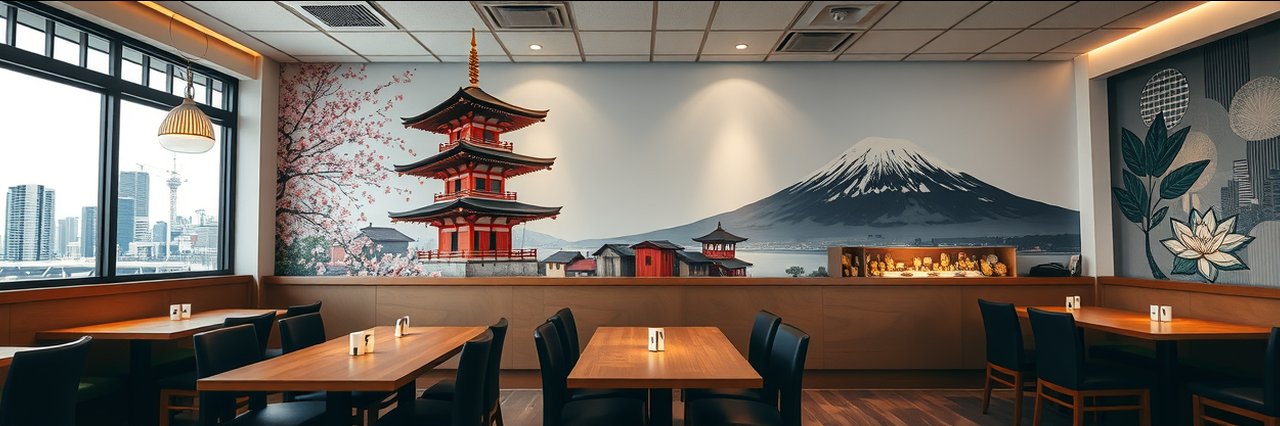
The Allure of Authentic Japanese Cuisine—Why Your Taste Buds Deserve Something Extraordinary
Around the world, few foods spark as much excitement as Japanese cuisine. There’s something universally captivating about a meal that balances simplicity, freshness, and a touch of artistry on every plate. But have you ever stopped to wonder what “authentic” truly means when it comes to Japanese food? Is it about the ingredients, the preparation, or the people serving it? The quest for real Japanese flavors isn't only for adventurous eaters; it’s for anyone curious about broadening their palate and diving into a cultural experience unlike any other.
Behind each delicate sushi roll or soul-warming bowl of miso soup, there’s a tale of tradition and a dedication to purity. Today, "authentic Japanese cuisine" is taking center stage—especially as more people crave genuine experiences over processed or overly-familiar meals. Whether you're seeking a family feast, an all-you-can-eat adventure with friends, or a quiet moment with a comforting bowl of ramen, understanding what sets authentic Japanese food apart can transform a simple dinner into a memorable event. Let’s take a closer look at what makes authentic Japanese cuisine so special, and why it could become your new flavor obsession.
The Hidden Language of Honest Flavors: What Actually Counts as Authentic Japanese Cuisine?
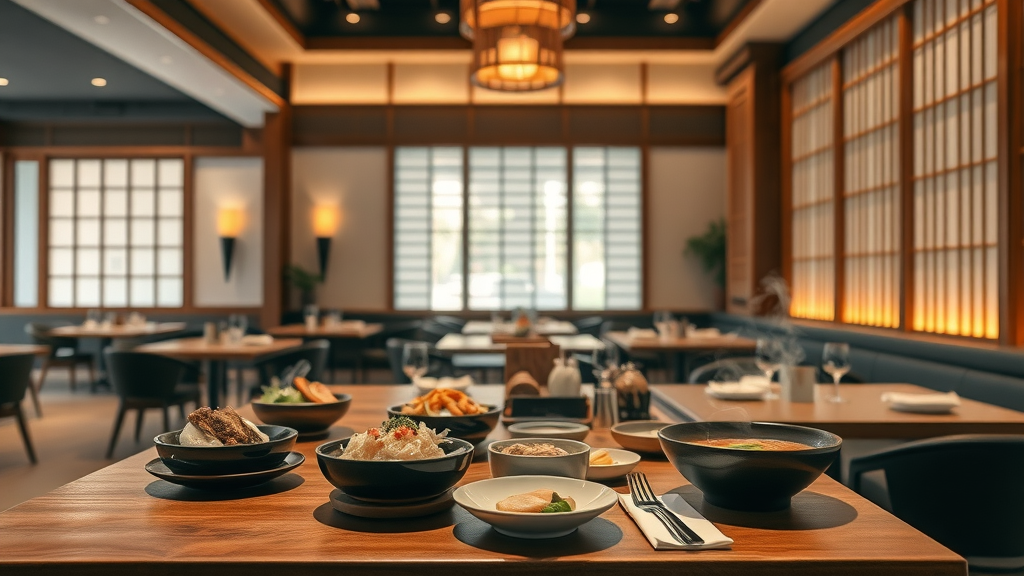
Authentic Japanese cuisine isn’t just about raw fish or teriyaki. It’s a tradition built on the careful choice of the freshest ingredients, recipes handed down through generations, and a genuine respect for each dish’s roots. From sushi and tempura to surprising finds like homemade matcha and taro ice cream, true Japanese fare aims to deliver an experience that connects your senses to Japan itself. For food lovers, understanding the difference between authentic Japanese cuisine and fast-food copycats is essential. Everything—from the freshness of the fish to the skill of the chefs—adds up to a meal that feels honest, comforting, and subtly complex.
Missing out on real Japanese food means missing out on a culinary world where every detail, from how rice is seasoned to how ingredients are presented, matters. If someone’s only tasted supermarket sushi or general pan-Asian buffets, they risk never knowing how vibrant or comforting Japanese food can be at its best. Authentic Japanese cuisine isn’t just about eating; it’s about learning to appreciate the art behind every bite, and why so many people consider it a lifelong favorite. If you’re curious about expanding your taste horizons, it’s worth seeking out genuine Japanese dishes and noticing how different and delightful they can truly be.
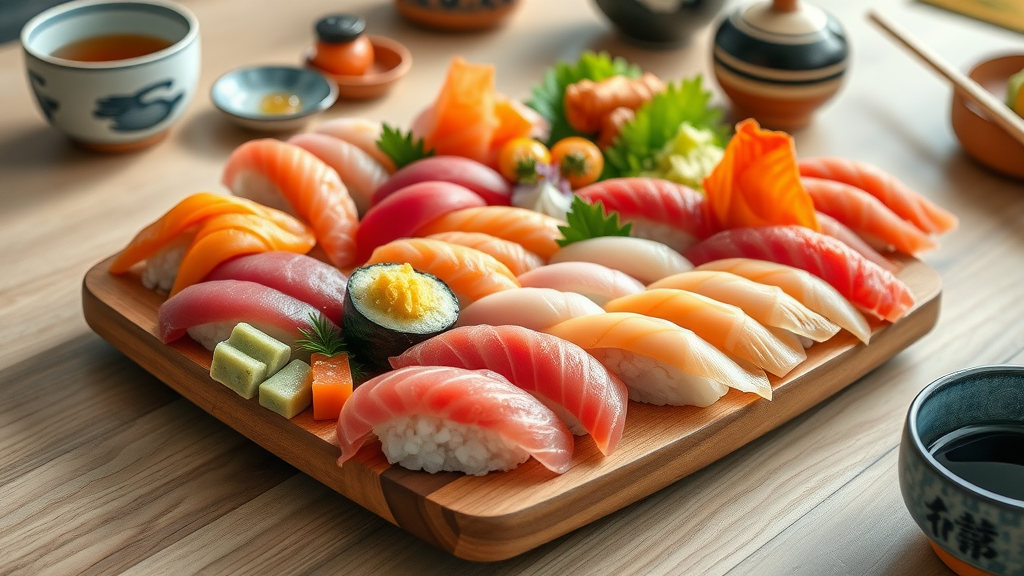
How Real Japanese Food Enriches Your World—The Benefits of Embracing Authenticity
When you seek out authentic Japanese cuisine, you’re not just filling your stomach—you’re taking part in a cultural adventure. Restaurants that commit to traditional Japanese recipes and the freshest ingredients help transport you straight to Japan with every plate. The joy of a varied menu, from an all-you-can-eat buffet to set meals and à la carte options, means there’s something for everyone, whether you’re a long-time sushi fan or just dipping your toes into Japanese flavors.
True Japanese food, served fresh and crafted by a team dedicated to the traditions behind each dish, often goes beyond what you expect from casual dining. Meals are thoughtfully prepared by staff with deep connections to Japanese heritage, making your experience more than just a meal—it’s a lesson in patience, balance, and the beauty of simple, high-quality ingredients. Finding a place that offers a relaxing atmosphere while delivering traditional recipes and unique desserts, like homemade matcha or wasabi ice cream, means you get to explore new tastes in comfort. If you value trying new things and connecting with global culture, embracing authentic Japanese cuisine is more than a flavor obsession—it’s a step toward a richer, more delicious life.
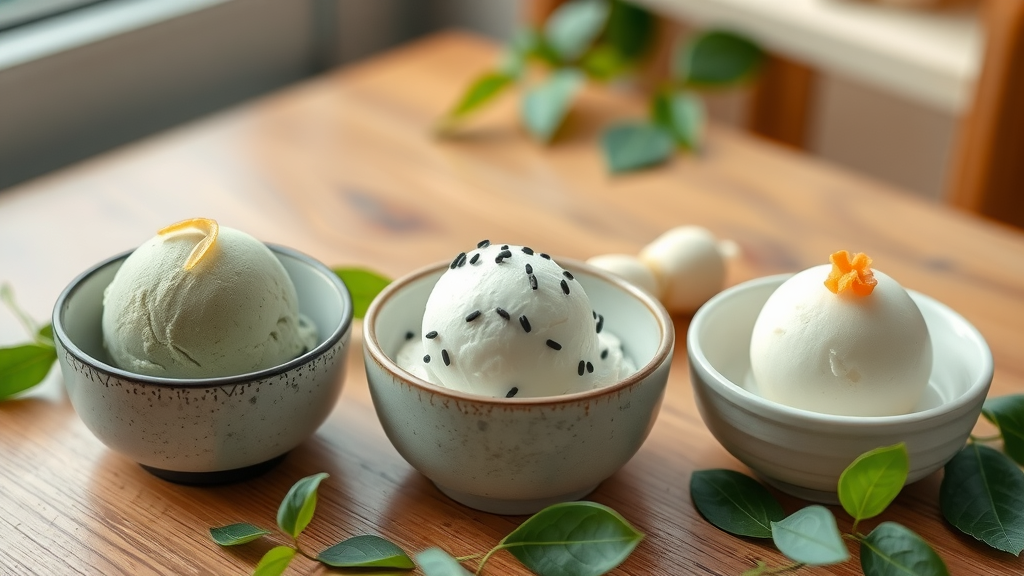
Discovering Unique Japanese Desserts: More than Sushi and Tempura
One of the joys of authentic Japanese cuisine is the unexpected charm of traditional sweets. Sure, sushi and tempura might be what draw you in, but have you ever finished a meal with homemade Japanese flavor ice cream? From bright green matcha to nutty black and white sesame or the adventurous zing of wasabi, authentic desserts provide a one-of-a-kind endnote you won’t find anywhere else. These treats aren’t just novelties—they reflect the careful craftsmanship and creativity of real Japanese cooking. When you discover these desserts, you realize there’s always something new to savor, no matter how familiar you are with Japanese food.
Flexible Dining for Modern Lives: Buffets, Set Menus, and Takeaway in Japanese Style
Authentic Japanese eateries understand that modern diners need flexibility. That’s why many offer options like all-you-can-eat buffets, à la carte plates, children’s menus, and special set meals—catering to families, adventurous eaters, and everyone in between. If you find yourself craving Japanese flavors but short on time, taking away your favorite dishes—even with a discount for collection orders—lets you enjoy genuine tastes on your terms. Hosting a party? Some places even allow you to hire the restaurant for hours of uninterrupted celebration, custom-tailored menus, and even space for live entertainment. Authenticity isn’t just about the food—it’s about making Japanese cuisine part of your biggest moments and everyday cravings alike.
Why Every Meal Feels Special: The Art of Atmosphere and Service in Japanese Dining
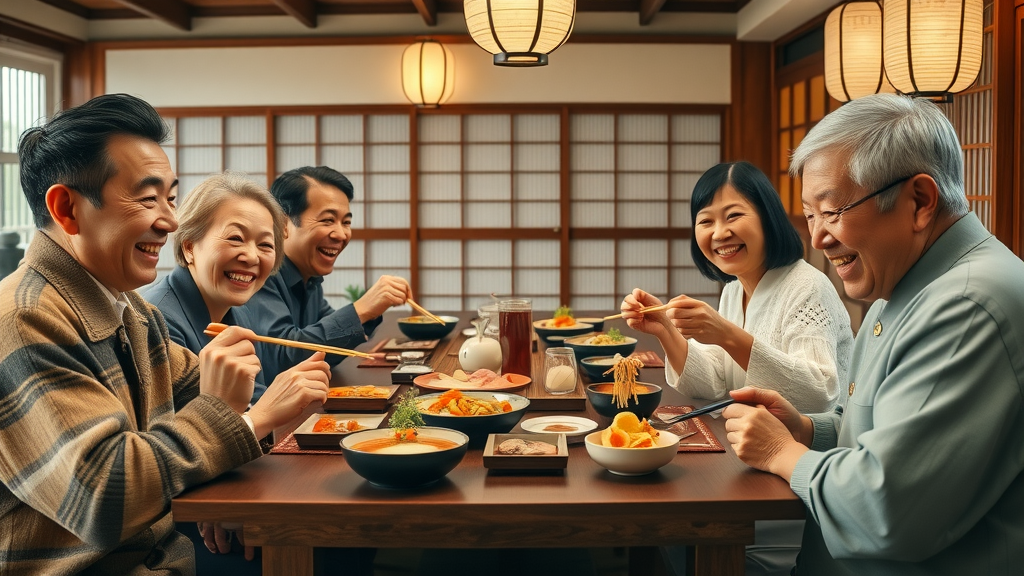
The experience of authentic Japanese dining is about much more than what’s on your plate. Restaurants committed to real Japanese cuisine often craft a calming, welcoming ambiance—perfect for intimate conversations, celebrations, or simply taking a break from a hectic day. Service is typically attentive and warm, driven by a team who understands not just the food, but also the subtle ways hospitality shapes your meal. Whether you’re chatting over endless plates at a buffet or trying something new from an ever-evolving menu, genuine Japanese hospitality helps turn a meal into a happy memory.
The Philosophy Behind True Japanese Flavors: Respect, Freshness, and Choice
At the heart of authentic Japanese cuisine is a philosophy rooted in respect—for ingredients, tradition, and every diner. Establishments devoted to real Japanese food adopt traditional recipes and prepare dishes with the freshest ingredients, never compromising quality for convenience. Their approach is about offering variety and balance, from classic entrées to creative desserts, all while maintaining high standards in taste and presentation.
The mission behind such dining experiences is to make every meal both delicious and memorable. Providing options like all-you-can-eat buffets and flexible à la carte menus isn’t just practical; it’s about giving everyone a chance to craft their own journey into Japanese cuisine. From private parties to takeaways, the goal remains the same—delivering honest flavors in a warm setting, supported by staff who are passionate about sharing a taste of Japan. This commitment to authenticity and choice ensures that every guest leaves with a deeper appreciation for what makes Japanese food so endlessly fascinating.
Real People, Real Joy—A Taste Experience That Delivers
It’s one thing to talk about authentic Japanese cuisine, but the true test comes from those who experience it firsthand—especially when they find new favorites celebrating special occasions or regular evenings out. When a restaurant creates a calm, welcoming environment and lets you order as much as you’re hungry for, returning for more is almost guaranteed. Here’s a glimpse into a genuine customer experience that shows why real Japanese dining can mean so much.
We had dinner on Thursday for my birthday and it was amazing. Service is fantastic and everyone is very nice. Customer service perfect! Atmosphere was really calm and great if you want to have a conversation. Price for the all you can eat is very good and we ordered as many times as we wanted. Desserts are not included but they are awesome we will definitely come back soon and I think I want to try something from the a la carte menu!
Satisfied guests often become devoted fans, eager to return and explore even more of the menu—sometimes making authentic Japanese cuisine a tradition for birthdays, family gatherings, and simple dinners alike. When the food, service, and atmosphere all align, it creates a chain reaction: deeper tastes, happier moments, and a sense of connection that lingers long after the table is cleared. Taking the step to try authentic Japanese fare could easily become the start of your newest happy routine.
What Authentic Japanese Cuisine Offers the Modern Food Lover
As more diners grow curious about different cultures and flavors, authentic Japanese cuisine stands out for its blend of simplicity, freshness, and a respect for both tradition and creativity. Restaurants that excel in this art are reshaping what it means to eat well—offering not just food, but an entire experience grounded in meticulous preparation, thoughtful service, and the joy of variety. With flexible dining options, unique desserts, and an unwavering commitment to real ingredients, authentic Japanese food isn’t a passing trend; it’s a new gold standard for curious eaters. For anyone looking to expand their culinary world, authentic Japanese cuisine—like the kind found in Chesterfield—shows how delicious, comforting, and unforgettable a meal can truly be.
Contact the Experts at O-Tokuda
If you’d like to learn more about how authentic Japanese cuisine could benefit your next meal or special occasion, contact the team at O-Tokuda.
📍 Address: 37 Knifesmithgate, Chesterfield S40 1RL, United Kingdom
📞 Phone: +44 7446 261812
🌐 Website: http://www.o-tokuda.co.uk/
O-Tokuda Location and Hours in Chesterfield
🕒 Hours of Operation:
📅 Monday: 5:00 – 10:00 PM
📅 Tuesday: ❌ Closed
📅 Wednesday: 5:00 – 10:00 PM
📅 Thursday: 5:00 – 10:00 PM
📅 Friday: 5:00 – 11:00 PM
📅 Saturday: 5:00 – 11:00 PM
📅 Sunday: 4:00 – 9:30 PM



Write A Comment