


Imagine this: By 2025, over 70% of organizations worldwide will use advanced biometric security systems—far beyond simple fingerprints or facial recognition. This isn’t a glimpse into science fiction; it’s the reality rapidly taking shape all around us. As biometric technology evolves, so do the ways we verify our identity—pushing security systems to innovate, adapt, and outpace threats. Whether you’re a business owner, IT professional, or an everyday user unlocking a smartphone, understanding new frontiers in biometric authentication is crucial for staying secure in an increasingly digital world. This article provides a comprehensive guide to the future of biometric security, what’s driving these changes, and what you need to know to stay safe and informed.
A Glimpse Ahead: Biometric Security and Radical Identification Methods
"By 2025, over 70% of organizations worldwide will adopt advanced biometric security systems — far beyond simple fingerprint or facial recognition."
Biometric security is no longer limited to fingerprints and face scans. Radically new identification methods are transforming how people and organizations secure their spaces, data, and devices. Innovations like vein pattern recognition, gait analysis, and heartbeat-based authentication are expanding what’s possible in the field of access control. These advanced systems offer stronger defense against data breaches and identity theft, which continue to rise as cybercriminals find new ways to exploit traditional security measures.
This pace of change matters—especially as security threats become more sophisticated. While most are familiar with unlocking a phone using a face scan or fingerprint, modern security solutions now harness physical and behavioral patterns that are nearly impossible for someone else to replicate. What’s next for biometric technology? You are about to find out, along with the real risks, core concepts, and ethical dilemmas that come with this security revolution.
The Unseen Evolution of Biometric Security
Behind the scenes, biometric security is quietly evolving at lightning speed. Beyond classic methods such as fingerprint recognition and facial recognition, researchers are tapping into new biometric traits that are unique to each person, including voice patterns, eye movements, and even the way their heart beats. These advancements make it harder than ever for unauthorized access using stolen or replicated biometric data. Unlike an access card or password, your body’s characteristics are always with you, creating a powerful new layer of protection for high-security environments.
Still, these cutting-edge systems don’t come without their own complexities and hurdles. New methods introduce novel challenges in ensuring accuracy, user privacy, and regulatory compliance. The effort to use biometric authentication everywhere—from healthcare to workplaces—demands not just better technology but new ways of storing, managing, and protecting this critically sensitive data. As we move forward, these unseen advances promise to reshape not only how we keep things secure, but how we define what it means to be secure at all.
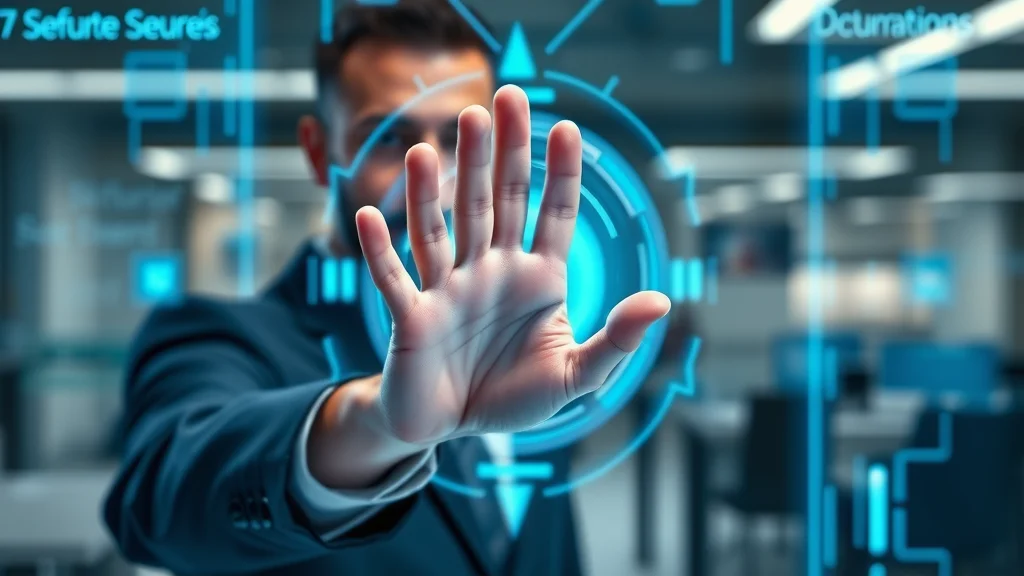
Expanding Beyond Conventional Biometric Authentication
The world’s approach to biometric authentication is changing quickly. No longer limited to a single fingerprint or face scan, today’s systems combine several methods at once to prevent unauthorized access. This includes new forms such as iris scanning, voice authentication, and even recognizing the unique way a person walks—known as gait analysis. These innovations enable security systems to achieve unprecedented accuracy, drastically lowering the chances of an intruder using a fake biometric sample.
By combining multiple biometric checks, authentication systems can now offer levels of security and convenience unheard of only a few years ago. For businesses and critical infrastructures, this means improved access control and a sharper defense against attacks. For individuals, it translates into smoother, faster, and more secure experiences—no more forgotten passwords or lost access cards. As new security measures continue to emerge, we’re entering an era where your identity is your strongest key, and the methods for protecting it are smarter than ever before.
What You'll Learn About Biometric Security
- Core concepts of biometric security and access control
- Key differences between biometric data, biometric authentication, and traditional security measures
- Emerging biometric technology shaping future authentication systems
- Risks, challenges, and the evolving landscape of security systems
Defining Biometric Security: Concepts and Background
What is Biometric Security?
Biometric security combines technology and biology to verify a person’s identity through their unique physical or behavioral traits. Unlike passwords or access cards, biometric security measures use characteristics such as fingerprints, facial features, iris patterns, and voice. This method ensures only authorized individuals can access certain spaces, systems, or data, providing a higher standard of security compared to traditional methods. The main goal is to prevent someone else from impersonating you using something they know or possess, because physical characteristics are virtually impossible to duplicate accurately.
As authentication systems advance, biometric authentication is increasingly favored in environments demanding high security, from financial institutions to hospitals. Embracing these systems means moving beyond the vulnerabilities of passwords and PINs and leveraging what makes each person distinct. The future of security is heading towards methods that are invisible, seamless, and deeply personal—demonstrating why biometric data protection is now a noticeable priority globally.
How Biometric Data Forms the Foundation of Biometric Authentication
At the core of any biometric system lies biometric data—unique personal information captured, processed, and stored for the purpose of identification. This data is gathered through devices like fingerprint scanners, facial recognition cameras, or iris scanning systems. Once captured, a “biometric template” is created, which is then used to match future access attempts. The strength of biometric authentication is its reliance on traits that are much harder to steal or fake than conventional credentials.
However, the use of biometric templates also introduces critical questions about privacy and security. If a template is leaked in a data breach, it cannot simply be reset like a password. That’s why modern security systems focus not only on the accuracy and efficiency of identification, but also on data protection measures that defend against hacking, misuse, and unauthorized access. The future revolves around safeguarding both the process and the sensitive biometric data fueling it.
Understanding Biometric Technology in Modern Security Systems
Biometric technology now underpins a wide range of security solutions—from unlocking smartphones to managing access control in top-secret facilities. Innovations in recognition technology mean that modern systems can validate users with split-second precision using combinations of fingerprints, facial scans, voice patterns, and even heartbeats. As a result, security environments are growing smarter, more adaptive, and more resistant to fraud or impersonation attempts.
Adopting these technologies into everyday life also means a shift in how organizations approach data privacy and risk management. Increasingly, regulations like GDPR and CCPA hold companies to high standards for protecting biometric data. The most advanced systems now include features that anonymize and encrypt data, preventing unauthorized access while still delivering accurate, reliable authentication. Whether in healthcare, corporate offices, or personal devices, biometric technology is defining the next chapter of digital security.
Types of Biometric Security: Beyond Fingerprints and Faces
Traditional Biometric Authentication Systems: Fingerprint and Facial Recognition
For many, the words “biometric security” bring to mind fingerprint recognition or facial recognition. These have been the building blocks of modern authentication systems for over a decade—and for good reason. Each method is based on measuring something truly unique: the tiny ridges of a finger or the specific ratios between facial features. These systems are widely adopted due to their balance of convenience, accuracy, and quick user experience.
While their strengths are clear, both methods face challenges: fingerprints can be spoofed or damaged, and facial recognition can struggle with poor lighting or similar-looking faces. Despite these hurdles, traditional biometric authentication remains essential for access control across industries. However, as security threats grow and privacy demands intensify, organizations are increasingly looking beyond these conventional features and investing in new, more sophisticated biometric security systems.
Advanced Biometric Data: Iris, Retina, and Voice Recognition
Turning to the future, the security system landscape now includes iris scanning, retina identification, and voice authentication. These advanced techniques offer higher precision. The iris and retina contain unique patterns that remain unchanged throughout life. Captured by specialized cameras, they enable high security environments such as research labs and airports to confidently verify a person’s identity. Similarly, voice recognition uses patterns in speech, pitch, and tone to distinguish individuals—even among twins.
Employing these methods means security systems can better defend against attempts to fool them. Iris and retina scans are less likely to be copied or bypassed, and voice authentication can confirm identity remotely (e.g., over the phone). The result is security that is not only more reliable but also more adaptable to a world where remote work and contactless transactions are increasingly common. As organizations seek out the best security measures, these innovations are paving the way for smarter, safer authentication systems.
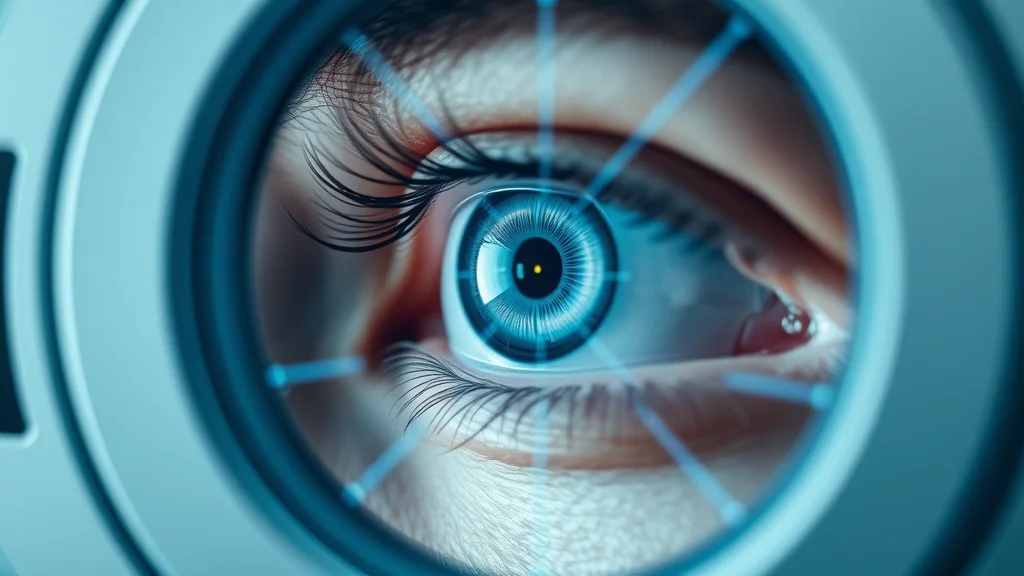
Cutting-edge Biometric Security: Vein, Gait, and Heartbeat Analysis
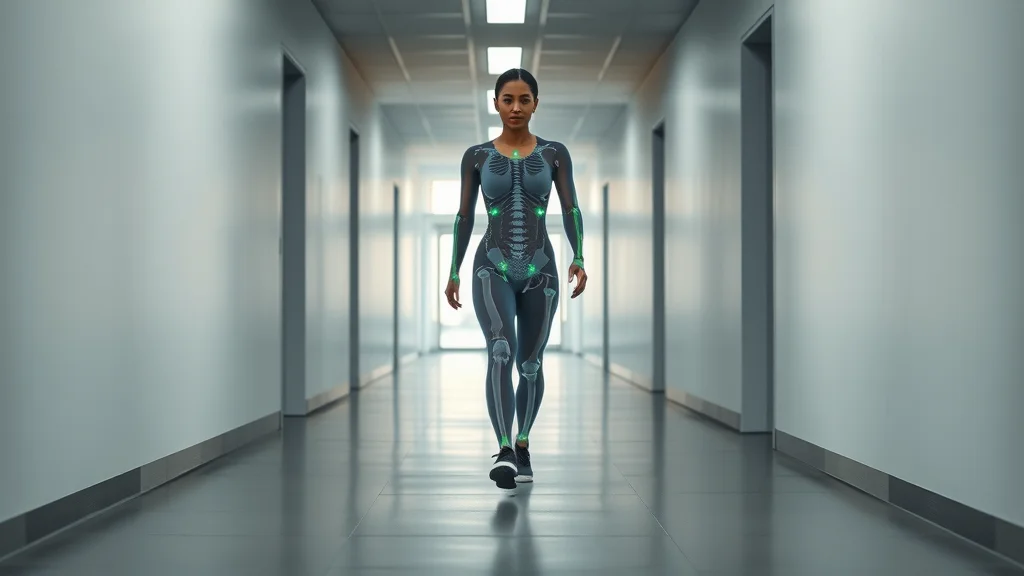
Biometric security is moving firmly into the age of the invisible. Vein pattern recognition uses the unique arrangement of veins beneath the skin, captured by infrared sensors. Gait analysis relies on motion sensors and cameras to recognize the way a person walks—a behavior extremely difficult to fake precisely. Meanwhile, heartbeat and ECG authentication leverage the fact that everyone’s heart produces electrical signals in a distinct rhythm and shape.
These new forms add depth to authentication systems, helping security teams address common weaknesses found in more familiar technologies. Unlike visible traits (like a face or fingerprint), veins and heartbeats are hidden from plain sight, reducing the risk of fraudulent copying. This trend means tomorrow’s security system will be less about “what you have” or “what you know,” and more about “what you are”—both inside and out.
- Fingerprint recognition
- Facial recognition
- Iris and retina scanning
- Voice authentication
- Vein pattern recognition
- Gait analysis
- Heartbeat and ECG authentication
Biometric Authentication in Practice
| Authentication System | Biometric Sample Used | Application |
|---|---|---|
| Access Control | Fingerprint, Face, Iris | Offices, Labs, Data Centers |
| Mobile Devices | Facial, Fingerprint | Smartphones, Tablets |
| Healthcare | Voice, Iris, Vein | Patient Identification |
Biometric Security for Access Control
Organizations worldwide now use biometric security for access control—from office entrances to research labs, from data centers to secure record rooms. With traditional methods, like an access card or PIN, there’s always the risk of loss, theft, or lending. Biometric authentication systems solve this by tying access directly to an individual’s unique traits, providing reliable proof of identity. This means only authorized personnel are allowed, and even if someone else knows their PIN, it won’t matter without their biological signature.
Corporations, government agencies, and even smaller businesses are rolling out biometric security solutions to cut down on breaches and unauthorized entries. These systems record, compare, and securely match biometric samples against stored templates, ensuring robust entry standards across all levels of security environments. The result is less risk, higher accountability, and a major reduction in errors or “buddy punching,” where someone grants access on behalf of a colleague.
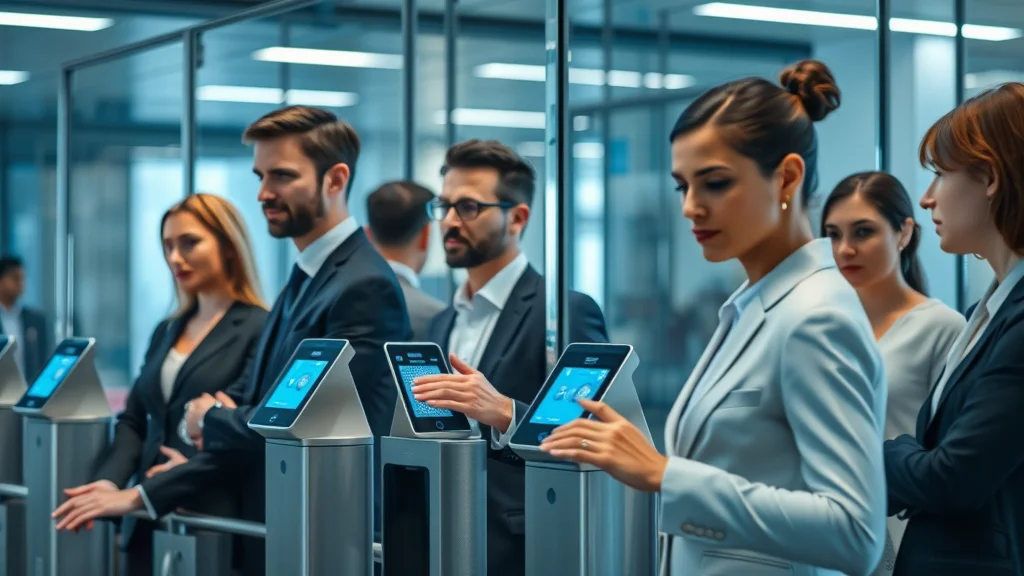
Using Biometric Authentication Systems in Security Solutions
Today’s biometric authentication systems are as varied as the industries they protect. In healthcare, identifying patients quickly using voice or iris scans reduces errors in treatment. In financial settings, biometric security protects accounts and authorizes high-value transactions. For mobile devices, fingerprint and face scanning enable instant unlocking and secure app access. Even airports now use multi-modal authentication systems for faster, safer border checks, ensuring high security amid increasing passenger turnover.
These systems do more than just open doors; they create detailed access logs and integrate with broader security solutions for real-time monitoring and alerts. The ability to use biometric methods remotely also supports the evolving needs of a mobile and distributed workforce. By leveraging the unique strengths of biometric technology, organizations gain protection that is personalized, scalable, and ready for the challenges of tomorrow’s security landscape.
Integrating Biometric Security with Traditional Security Measures
The smartest approach is often blending the old with the new. Integrating biometric security with traditional security measures like PINs, passwords, or access cards enhances overall protection. For instance, a facility might require both a fingerprint scan and a code entry, creating multiple layers an intruder must defeat. This dual or multi-factor authentication keeps sensitive assets safer, especially in industries where data breaches carry high costs.
As security systems evolve, organizations are learning that effective protection never relies on one technique alone. By combining biometric authentication with conventional credentials, it’s possible to create security environments that are resilient, adaptable, and far more difficult to compromise. The fusion of these approaches helps balance user convenience with the rigid demands of modern risk management, setting new standards for secure access everywhere from offices to the cloud.
The Importance of Biometric Data Protection
Data Protection Regulations in Biometric Security Systems
With great power comes great responsibility, especially when handling biometric data. Regulations such as GDPR (EU), CCPA (California), and others worldwide put a legal obligation on organizations to protect this sensitive information. Non-compliance can result in heavy fines and a loss of public trust. Biometric security systems must anonymize, encrypt, and tightly restrict access to biometric templates—ensuring privacy even if data breaches occur. Adhering to these laws is more than a checkbox; it forms the backbone of modern, ethical security measures and keeps your identity safe in a digital-first world.
Companies now employ security officers and legal experts to navigate the complex landscape of data protection. This not only prevents legal trouble but also reassures customers and employees that their biometric samples are being managed securely and responsibly. The stakes are high: once compromised, biometric data can never be changed. Therefore, the bar for security and compliance must continually be raised.
Managing Biometric Samples in Secure Authentication
Proper management of biometric samples is essential for the effectiveness and safety of biometric systems. Quality samples must be captured, processed, and stored according to strict security protocols. This involves not just encryption but periodic updates, deleting samples when users leave, and monitoring access by authorized personnel. Cutting-edge systems even support local storage, keeping biometric data on a specific device, thereby reducing exposure in the event of a major data breach.
Transparency is key: users should always know what data is collected, how it’s used, and how long it will be retained. Modern authentication platforms are making it easier for individuals to review and, where appropriate, revoke permission for use of their biometric templates. Protecting data at every stage—from capture to deletion—reinforces trust and the integrity of the entire security system.
Risk Factors: Can Biometric Security Be Hacked?
"Unlike a password, biometric data is irrevocable—once compromised, it can never be changed." — Security Analyst, Dr. Erika Ballantyne
No security measure is infallible, and biometric security is no exception. Hackers may attempt to steal or bypass biometric templates using sophisticated physical or digital techniques. If a biometric sample is captured during a data breach, there’s no “reset” option. That’s why developers invest in liveness checking (e.g., making sure a fingerprint is attached to a real, living person), anti-spoofing sensors, and continual system updates. Rigorous testing and layered approaches (like combining biometrics with other factors) help close gaps and increase the overall safety of authentication systems.
While these risks sound daunting, a well-designed security system—one that uses up-to-date encryption, multi-factor authentication, and ongoing monitoring—can minimize the chance of a major incident. Ultimately, the quest is not for perfection, but for constant vigilance and adaptation as threats evolve.
Advantages and Disadvantages of Biometric Security
- Enhanced convenience and user experience
- Potential vulnerabilities if biometric data is stolen
- Challenges in large-scale deployment of security solutions
- Continuous innovation in biometric technologies
What is a Disadvantage of Biometrics?
One of the main drawbacks of biometric systems is the permanent nature of biometric data. Unlike resetting a password after a leak, you cannot change your fingerprints, iris patterns, or heartbeats. If a breach occurs and your biometric template is stolen, the consequences can be lasting. Additionally, some systems encounter “false positives” and “false negatives”—when someone is wrongly accepted or denied—leading to inconvenience and even security risks. Deploying these solutions on a large scale can be expensive, requiring not just advanced technology but also support staff and ongoing maintenance.
Ethical and cultural concerns can also slow adoption. Individuals may be uncomfortable submitting personal data, fearing misuse or surveillance. Tackling these disadvantages demands ongoing innovation, transparent policies, and clear communication to maintain trust among users and stakeholders.
Emerging Trends: Biometric Technology in Security Systems

Next-Gen Security Measures: Behavioral Biometrics and AI Integration
The next leap in biometric security comes from blending physical and behavioral traits—with artificial intelligence at the center. Behavioral biometrics measures unique patterns in typing, swiping, or device handling. Combined with AI-powered analytics, security systems can continuously assess identity, flagging anomalies in real time. This approach transforms authentication from a one-time event to a constant background process, offering higher protection against fraud or identity theft.
As AI advances, security solutions will become both smarter and more user-friendly. For example, monitoring the way employees interact with office equipment, or analyzing how medical staff use electronic records, allows systems to detect risky behavior early. The fusion of behavioral and traditional biometric data is set to redefine enterprise security and personal authentication for the foreseeable future.
The Future of Multi-factor Authentication Systems with Biometric Security
Multi-factor authentication (MFA) is a key ingredient of next-generation security environments. Combining biometric authentication with another factor—like a one-time password, a smart card, or a location check—delivers layers of defense. MFA makes it much more difficult for hackers to gain access, even if they bypass one method. In banking, healthcare, and high-security government agencies, these approaches are fast becoming the gold standard for both convenience and resilience.
The future of biometric security will likely feature context-aware MFA: systems adapt authentication requirements on the fly based on risk levels, location, or the type of data being accessed. This adaptability enhances user experience while maintaining top-class protection—ensuring a secure, flexible digital world for businesses and consumers alike.
Exploring Security System Innovations Using Biometric Data
Continuous innovation in biometric technology is driving practical solutions to real-world security issues. Secure, contactless authentication is essential in pandemic conditions; remote working pushes organizations to adopt cloud-based biometrics; fast, automated border control relies on rapid facial recognition and gait analysis. These breakthroughs don’t just make things safer—they simplify processes, reduce bottlenecks, and improve transparency across industries.
Whether it’s rolling out biometric card payments, developing apps for secure telehealth, or integrating AI for employee authentication, the possibilities are rapidly expanding. New use cases develop as security measures become more refined and regulation catches up to technology. The takeaway: as security threats get more sophisticated, so too must our solutions—making security both smarter and easier for everyday users.
Regulations and Ethical Concerns in Biometric Security
Complying With Biometric Data Protection Laws
Regulatory compliance is no longer optional—the laws surrounding biometric data are strict and actively enforced around the world. Organizations must get proper consent before collecting data, offer clear privacy notices, and ensure biometric templates are processed lawfully. Violations can result in hefty fines or bans on using certain authentication systems. It’s essential for every company to map out not just the technical, but also the legal aspects of biometric security to avoid penalties and public backlash.
Security leaders must invest in regular audits and work closely with legal experts to adapt to evolving regulations. This helps guarantee that their security solutions don’t just protect against hackers, but also respect the rights and expectations of users in different regions and contexts.
Addressing Privacy and Consent in Biometric Authentication
Achieving user trust means addressing privacy and consent at every step of the biometric authentication journey. Users should feel in control: able to opt in or out, review what’s collected, and request deletion of data where possible. Consent must be informed and voluntary—no hidden terms, no surprise sharing of personal information. Companies need to communicate the value of biometric security while being open about its risks and limitations.
The most ethical organizations back up their policies with technology—offering local data storage, strong encryption, and the ability for users to see audit trails showing exactly when and how their information was used. Building these features isn’t just about ticking boxes; it’s about earning the ongoing trust that makes biometric systems sustainable and effective for the long term.
Ethical Dilemmas in Biometric Technology Implementation
Deploying advanced biometric technology means confronting new ethical questions. Who controls the data? How long will it be kept? Could systems be abused for surveillance or discrimination? These aren’t just technical concerns—they strike at the heart of public confidence in digital security. It is vital to have checks, transparency, and strong oversight by independent bodies to maintain balance and fairness.
Developers, regulators, and end-users must collaborate to shape a responsible path forward for biometric security. This requires policies that emphasize consent, purpose limitation (only using data for stated, legitimate reasons), and the right to challenge or appeal biometric-based decisions. The outcome: a fairer, more inclusive approach to modern security measures.
People Also Ask About Biometric Security
What are the two types of biometric security?
Biometric security can be divided into physical (physiological) and behavioral types. Physical methods use traits like fingerprints, facial features, or iris patterns—something that is part of your body. Behavioral biometrics analyze how you do things, such as your typing rhythm, gait, or voice patterns. Both types play a critical role in modern authentication systems, with many advanced solutions combining the two for improved accuracy.
What is a disadvantage of biometrics?
The main disadvantage is that biometric data is permanent and, if stolen in a data breach, it cannot be simply changed or reset. Once compromised, the risk to your digital identity may be ongoing. Additional drawbacks include potential privacy concerns, technological failures causing false positives/negatives, and possible discrimination if systems aren’t designed inclusively.
Can biometric security be hacked?
While biometric security raises the bar for authentication, no system is completely hack-proof. Attackers may attempt to spoof fingerprints, faces, or steal stored templates, especially if weak data protection methods are used. That’s why combining multiple factors (multi-factor authentication) and employing advanced defenses like liveness detection and anti-spoofing technologies is crucial to reduce the risk of unauthorized access.
What are the 7 types of biometrics?
The seven main types of biometric security are: fingerprint recognition, facial recognition, iris scanning, retina scanning, voice authentication, vein pattern recognition, and gait analysis. Each type leverages a unique part of the body or behavior, and modern systems often use combinations for even higher security and accuracy.
Frequently Asked Questions (FAQs) on Biometric Security
- Is biometric security safe for banking?
- How secure is facial recognition compared to fingerprints?
- Can biometric authentication systems be fooled?
- How does biometric data storage work?
Is biometric security safe for banking?
Yes, most banks use biometric authentication due to its accuracy and reduced risk of fraud. Encryption and regulatory oversight further protect customer data, but as with any system, strong data protection practices are essential to prevent breaches.
How secure is facial recognition compared to fingerprints?
Both offer high accuracy but can be vulnerable if used alone. Facial recognition systems are improving with liveness detection (to detect real faces), while fingerprints may be affected by injuries or wear. Combining methods yields even higher security.
Can biometric authentication systems be fooled?
Although rare, some systems can be tricked with fake fingerprints, photographs, or voice samples. The best modern solutions use anti-spoofing measures and check for signs of life to minimize risk, making authentication more reliable for sensitive applications.
How does biometric data storage work?
Most biometric systems store encrypted templates—not raw images—on secure servers or local devices. These templates are matched during authentication, rather than transmitting or exposing full biometric samples. Strong encryption and restricted access are essential for privacy and risk reduction.
Key Takeaways: The Future Impact of Biometric Security
- Biometric security is rapidly advancing and expanding beyond fingerprints and facial recognition.
- Data protection and ethical operations are critical in deploying biometric authentication systems.
- Continuous innovation is required to counter evolving cyber threats targeting biometric security measures.
Summary and Invitation for Your Insights
Biometric security is reshaping how we access, protect, and experience the digital world. The future holds promise—for safety, convenience, and privacy—but demands vigilance, ethical responsibility, and ongoing innovation. We'd love to hear what you think about this? Please add your comments below...
Biometric security is rapidly advancing beyond traditional methods like fingerprints and facial recognition, introducing innovative techniques that enhance both security and user convenience. For instance, the National Institute of Standards and Technology (NIST) has been at the forefront of biometric research for over 60 years, developing standards and technologies that improve the accuracy and interoperability of biometric systems. (nist.gov) Additionally, the Department of Homeland Security (DHS) utilizes biometrics to enhance national security by accurately identifying individuals through unique biological characteristics, thereby reducing the risk of unauthorized access. (dhs.gov) These resources provide valuable insights into the evolving landscape of biometric security and its applications in various sectors.


Write A Comment