Add Row
Add Element
Add Element
cropper
update

AI GROWS YOUR BUSINESS

cropper
update
Add Element
  • AI update for local business on Facebook
    update
  • AI update for local business on X
    update
  • Dylbo digital media Google business profile
    update
  • Dylbo digital media on LinkedIn
    update
  • update
  • DYLBO digital media on YouTube
    update
  • DYLBO digital media on Instagram
    update
  • Home
  • Categories
    • AI Simplified
    • Tool Talk
    • Success Stories
    • Step-by-Step
    • Future Ready
    • Expert Opinions
    • Money Matters
October 20.2025
2 Minutes Read

Broadway Actors Secure Agreement to Prevent Strike: A Game Changer for Local Arts

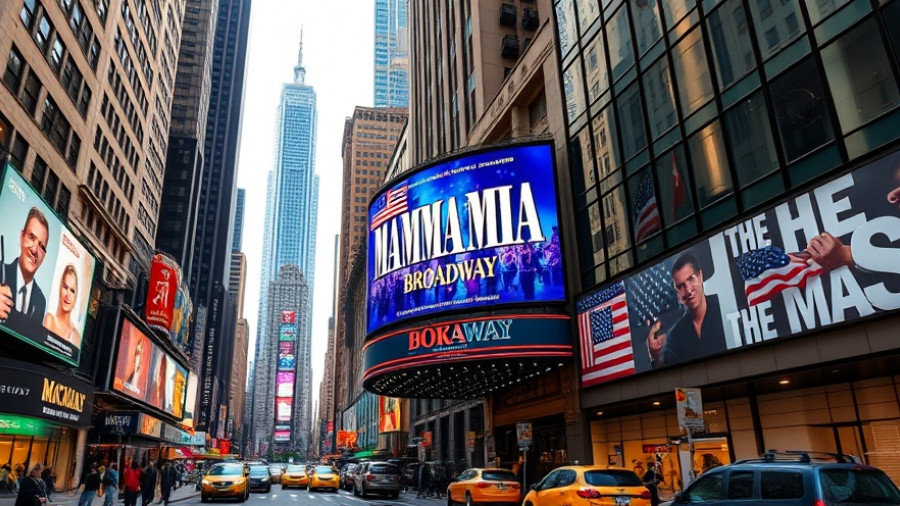
Broadway billboard of Mamma Mia amidst city buildings, capturing lively Broadway vibe.

A Significant Agreement Reached for Broadway's Future

In a pivotal move for New York’s theatrical scene, Broadway actors represented by Actors' Equity have successfully negotiated a tentative agreement with The Broadway League, averting a strike that could have shuttered 32 productions as the peak season approaches. The agreement, which is set for a three-year term, not only protects the vital Equity-League Health Fund but also makes significant progress on key issues such as scheduling and physical therapy access for performers.

Industry Context: A Broader Labor Movement

As we celebrate this achievement, it's essential to recognize the broader context of labor actions within the entertainment industry. Earlier in 2023, Hollywood actors and writers rallied for better compensation and safeguards against the intrusion of artificial intelligence in creative labor—an issue echoed in the ongoing negotiations for musicians by the American Federation of Musicians Local 802. In this increasingly digital landscape, many professionals are seeking assurances that their artistry is protected.

A Unity of Purpose Among All Artists

The solidarity displayed by the Actors’ Equity, especially in backing the musicians’ quest for fair agreements, showcases an essential component of labor relations—unity. This collaboration emphasizes that every sector of the arts, from actors to musicians, deserves fair treatment and respect from producers and theater owners. Executive director of Actors' Equity, Al Vincent Jr., expressed gratitude towards his peers while also highlighting the importance of healthcare contributions critical to the union members, giving us a glimpse into how negotiations now intertwine the livelihoods of many in the field.

Why This Agreement Matters for Small Businesses

For small and medium-sized business owners, the developments within Broadway can indeed have significant implications. An active theater scene in New York not only attracts tourists but also supports various local businesses, from restaurants to retail. Ensuring that Broadway remains robust and vibrant keeps the pulse of the local economy thriving, encouraging entrepreneurs in those sectors to adapt and grow.

Next Steps: The Ratification Process

Now that the agreement has been reached, it awaits the ratification from the members of the Actors’ Equity, underscoring another crucial step in the agreement process. Similarly, participation in the negotiations and support for the musicians' ongoing talks emphasizes collective responsibility in structuring supportive environments for all artists and workers in the industry.

Call to Action: Invest in the Arts

As we move forward, let's recognize the vital role that arts and culture play in our communities. If you're a business owner or entrepreneur, consider how you can support local arts initiatives, engage with the community, and contribute positively to this thriving sector. Investing in your community not only elevates the arts but also cultivates a robust and dynamic economy.

Success Stories

10 Views

0 Comments

Write A Comment

*
*
Related Posts All Posts
12.05.2025

Transform Your Marketing Strategy with Values-Driven Insights

Update Unpacking the Power of Values-Driven Marketing In the ever-evolving landscape of consumer engagement, traditional metrics like age, gender, and income are becoming less effective. Enter Values-Driven Marketing (VDM), a revolutionary approach that focuses on the core values that motivate people’s decisions. According to Chris Schembri, founder of Aletheia Marketing and Media Inc, VDM shifts the focus from mere demographics to understanding what genuinely matters to the consumer. The Shift to Values Gone are the days when marketers could simply rely on basic demographic data. Today’s consumers expect brands to resonate with their personal values. Values such as tradition, freedom, and achievement play critical roles in shaping preferences and behavior. VDM leverages these motivations, allowing brands to connect more authentically with their audiences. The Benefits of Aligning Messaging with Values Research indicates that campaigns utilizing VDM significantly outperform those that do not. For example, ads that connect with consumers’ values have shown improvements in ad preference by 23 points. The metrics speak for themselves: higher engagement, increased click-through rates, and most importantly, fostering a deeper emotional connection with consumers. Success Stories in VDM To illustrate the concepts of VDM, consider brands that have successfully aligned their messaging to resonate with core ethical values. For instance, outdoor brands advocating for environmental sustainability have seen heightened loyalty among customers who prioritize eco-friendly practices. These examples demonstrate that VDM isn’t just theoretical; it’s a proven strategy leading to real business outcomes. Looking Ahead The future of marketing is about building trust and connection. In a world where consumer loyalty is fragile, values-driven engagements provide businesses with a competitive edge. By harnessing behavioral science and understanding what truly motivates consumers, brands can create campaigns that not only attract attention but also inspire action. Your Call to Action As you navigate the complexities of marketing in today’s world, consider integrating values-driven strategies into your campaigns. Think about what matters to your audience and tailor your messaging accordingly. By building a brand rooted in shared values, you won’t just be selling a product; you’ll be creating lasting relationships.

12.05.2025

Why Harley-Davidson Dealership Closings Reflect a Broader Trend in Business

Update The Struggles of Harley-Davidson Dealerships Explained For decades, Harley-Davidson has embodied the spirit of freedom on the open road. However, the iconic motorcycle brand now finds many of its independent dealerships closing their doors. The reasons are multifaceted and stem from a combination of economic challenges and shifting market dynamics. COVID-19: A Double-Edged Sword The pandemic initially sparked a sales boom for Harley-Davidson. With government stimulus checks rolling in and interest rates at historic lows, consumers flocked to the dealerships, eager to ride into the sunset on their new motorcycles. This unexpected wave led many owners to invest heavily in showroom upgrades. But as sales surged, dealers found themselves caught off guard by the subsequent decline. Rising inflation, interest rates, and economic uncertainties forced consumers to reconsider their spending on luxury items like Harley-Davidson motorcycles. A Sharp Decline in Sales As reported by motorcycle experts, many dealerships are now struggling with skyrocketing operational costs devoid of sufficient revenue to support them. With over 650 dealerships still open nationwide, the growing number of closures highlights a stark reality: even well-known locations in major cities are not immune. George Gatto, a second-generation dealer, noted, "I hate to admit this, but there are too many dealers for the number of new vehicles that are being sold today." This oversupply issue clusters with dwindling margins, posing an existential threat to many longstanding dealerships. The Evolving Marketplace Another key factor contributing to dealer struggles is the increase in direct-to-consumer sales via Harley’s e-commerce platform. As corporate strategy shifts towards cutting out intermediaries, traditional dealers are facing yet more pressure, driving down their profit margins further. Despite these challenges, optimism prevails among some small business owners, who recognize the necessity of adapting and innovating. Implementing new business strategies and diversifying offerings can enhance resilience in such a volatile market. Facing the Future The fate of Harley-Davidson dealerships serves as a critical reminder for small business owners: staying flexible and responsive to market changes is essential. Whether you're an auto dealer or run a different business, understanding these shifts can empower you to navigate challenges and find new paths to success.

12.04.2025

Unpacking Sunday Scaries: How Anxiety Before Work Binds Gen Z and Entrepreneurs

Update Understanding the ‘Sunday Scaries’ Phenomenon Sunday dread has taken on a new meaning for many in the workforce, particularly among Gen Z employees. With over 80 percent of U.S. workers reporting feelings of anxiety as the weekend draws to a close, this phenomenon, humorously dubbed the 'Sunday Scaries,' reveals troubling insights into workplace culture and mental health. Per research conducted by Adobe, 92 percent of Gen Z workers experience this anxiety, and nearly a quarter confront this emotional turmoil weekly, driving many to consider quitting their jobs. Why Is This Happening? So, what lays at the heart of these Sunday blues? Stressors often include uncompleted work tasks, looming deadlines, and overwhelming workloads. Survey findings suggest many participants spend just as much time worrying about these tasks as they do actually completing them. More than mere jitters, these feelings can lead to a tangible decline in productivity and motivation, affecting both personal well-being and overall job effectiveness. The Rise of Mental Health Awareness Among Workers As Gen Z enters the workforce, a remarkable shift is taking place. This generation values mental health above traditional job security—a sentiment echoed in reports showing how they are willing to leave jobs that threaten their well-being. In fact, nearly 71.6 percent of Gen Z respondents indicate their jobs negatively impact their mental health. Employers, currently tied to rigid business models, may find themselves in a precarious position as they face potential attrition unless they align with this new mindset. Taking Action to Alleviate Workplace Anxiety Business owners and leaders cannot afford to overlook these trends. Addressing mental health issues proactively is essential not just for the well-being of employees, but also for the sustainability of businesses. Implementing flexible work hours, promoting a supportive culture, and encouraging open communication about workloads can significantly enhance employee satisfaction and productivity. Conclusion: An Opportunity for Change The prevalence of the 'Sunday Scaries' underscores an urgent need for change in corporate culture. As more employees prioritize work-life balance and mental health, it is imperative for businesses to adapt. Embracing flexible work policies and creating an environment conducive to mental well-being can transform these Sunday woes into a more fulfilling workweek. By confronting these issues directly, businesses not only protect their workforce's health but potentially enhance their overall effectiveness and retention in a rapidly evolving job market.

Terms of Service

Privacy Policy

Core Modal Title

Sorry, no results found

You Might Find These Articles Interesting

T
Please Check Your Email
We Will Be Following Up Shortly
*
*
*