



The New Wave of Dining: Why Organic Choices Are Changing the Restaurant Scene
Have you ever wondered how the food you eat really affects the way you feel? Walk into almost any restaurant and you might see words like “organic,” “sustainable,” or “local” popping up more and more on menus. These aren’t just buzzwords—they are reshaping the way people dine, connect, and even think about their community. With concerns about health, the environment, and the quality of our everyday meals growing, it’s no surprise that diners are paying closer attention to what lands on their plates. The organic dining experience, once a niche interest, is now at the centre of a food revolution that promises not just delicious bites, but meals that are both responsible and nourishing.
Choosing to dine organically is about much more than picking a salad or reading labels. It’s about tapping into fresher flavours, supporting local farmers, and finding confidence in knowing exactly what’s in your meal. The journey to an organic dining experience isn’t just about the food itself—it’s about reconnecting with nature and valuing the hard work that goes into every ingredient. As you navigate a world filled with heavily processed options and imported produce, learning about the benefits of eating organic can make you rethink every time you sit down for a meal. Exploring how this movement is transforming the dining scene might just inspire your next meal out.

Organic Dining Experience Explained: What Makes This Choice Matter?
An organic dining experience is more than a label or a trend—it’s an approach to eating that prioritises both well-being and ethics. “Organic” means the ingredients used in your meal are grown and produced without harmful chemicals, synthetic pesticides, or artificial additives. When a restaurant offers an organic dining experience, it means it’s dedicated to preparing food that comes directly from the earth, using natural methods that are kinder to the environment. Add in a strong focus on local and sustainable produce, and you get meals that don’t travel hundreds of miles but arrive fresh, vibrant, and packed with flavour.
People often underestimate how much of a difference organic and local food can make. Not knowing where your food is coming from, or how it’s been treated, can add to the long list of health and environmental problems that come with modern eating habits. Pesticide-laden produce, food miles, and artificial preservatives have been linked to various health risks and environmental concerns. Ignoring the importance of an organic dining experience can mean missing out on nutrients, real taste, and making choices that help protect our planet and future generations. Understanding this can create a newfound appreciation for the simple act of eating out.
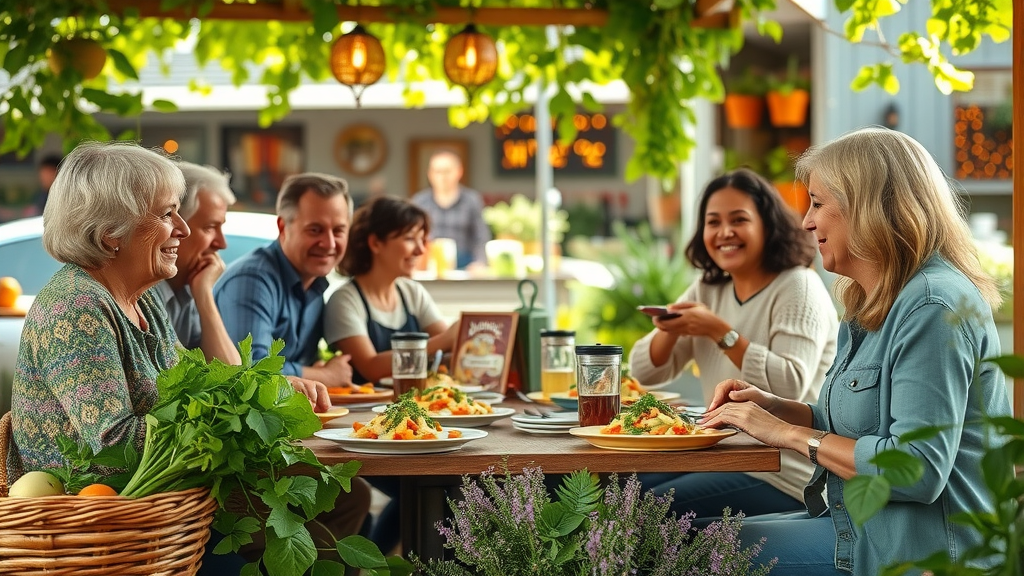
How Organic Dining Experience Brings People Together Over Food That Cares
Bottle and Thyme, an expert contributor to the modern organic movement, embodies the philosophy that dining should nourish both body and community. Emphasising local and sustainable practices, their focus on organic food transforms a meal into something meaningful—one that nurtures the senses and creates lasting memories. By championing organic ingredients and supporting neighbourhood producers, their menu goes beyond taste, offering real value to anyone seeking healthier and more responsible choices.
Choosing an organic dining experience goes beyond individual health. It means eating food that has been cared for every step of the way, building real trust between diners and kitchens. For families, friends, and anyone who values good food, the benefits ripple outwards: fresher ingredients, more natural flavours, and a clear conscience knowing your meal is as good for the earth as it is for your appetite. Organisations that adopt this approach set a new benchmark for what it means to eat out, helping everyday people discover that conscious dining can be both rewarding and enjoyable.
Why Community Roots and Local Flavours Define Today’s Organic Dining
One of the most exciting shifts in the organic dining movement is the emphasis on supporting local communities. By sourcing food close to home, organic restaurants bring out the best in regional flavours and cut down on unnecessary transport, which is better for the planet. Patrons can taste the difference: vegetables harvested that morning, free-range eggs produced nearby, and dishes that celebrate the season’s finest. This commitment to local ingredients means every plate tells a story of place, supporting farmers and producers whose livelihoods depend on sustainable practices.

Tasting the local landscape also fosters stronger community ties. When people dine at establishments prioritising organic and local food, they are contributing to local economies and ensuring the survival of traditional farming methods. This creates a sense of belonging—a meaningful connection between diner, chef, and grower. Organic dining is, at its heart, not just about what’s on your plate, but where it comes from and who it supports.
Organic Dining Experience: The Role of Ambience and Experience in Well-being
The organic approach isn’t limited to what’s served on the plate—it extends to the entire dining setting. The ambience of an organic-focused restaurant is often designed to reflect the natural beauty and warmth of the food itself, with eco-friendly materials, plenty of natural light, and a comfortable, welcoming vibe. This holistic attention creates a space where diners can truly relax, enjoy their meals, and connect with one another away from the hustle of everyday life.
A thoughtfully created organic dining experience can have positive effects on mood and mental wellness, as much as on physical health. Surroundings built with sustainability in mind—such as reclaimed wood tables and greenery-filled interiors—send a message that every detail, down to the décor, is chosen with care. This focus on wellbeing and hospitality forms memorable experiences where food, people, and place come together in harmony.

Easy Everyday Tips: Bringing the Organic Dining Mindset Home
You don’t have to wait for a special night out to enjoy the benefits of organic dining. Simple shifts in your own routine can echo what organic restaurants do every day. Start with swapping out key ingredients—try buying organic vegetables from local shops, or aim to make one meal a week fully organic. Taking cues from restaurants that spotlight seasonal produce, challenge yourself to pick fruits and vegetables that are in season in your area for fresher flavour and better nutrition.
Another tip is creating a mindful atmosphere at home. Set the table nicely, put away distractions, and truly focus on the food and company. These touches can change any meal into a mini organic dining experience. Over time, these habits can inspire friends and family to see organic eating as not only doable, but deeply enjoyable.
Authentic Values in Organic Dining: A Look at Method and Mission
Bottle and Thyme’s driving philosophy is simple: organic, local, and sustainable are not just trends—they are a promise to offer food that’s both honest and delicious. This approach guides every part of their menu and methods, from the careful selection of ingredients to their warm, welcoming service. There’s a commitment to celebrating nature’s bounty by letting high-quality, organic produce shine, resulting in meals that are nourishing in every sense.
This dedication shows in the thoughtful way tables are set, the attention given to the customer, and the seasonally inspired menus. By putting sustainability and local partnerships at the forefront, the team offers a dining experience where guests can feel good about every choice—knowing the food is as fresh and flavourful as it is ethical. The emphasis on organic dining is about more than eating well; it’s about living in a way that respects the earth and each other.
In an age where quick fixes and fast food dominate, showcasing patience and pride in every plate is what sets organic dining experiences apart. The belief that good food starts with great ingredients, handled with care and shared in a welcoming space, connects every meal back to its deeper purpose: bringing people together around a table that celebrates health, happiness, and the beauty of honest cooking.
Real Diners, Real Experiences: How Organic Dining Leaves a Lasting Impression
The true value of any dining experience comes to life through the stories of people who’ve savoured it firsthand. When people describe their visits to well-loved, organic-focused restaurants, a common theme emerges: a genuine connection to both the food and the team serving it, along with a sense of joy that lingers long after the meal ends. One guest’s review perfectly sums up the kind of memories and trust that build when food is prepared with real care.
Visited this morning with a friend and had such a lovely experience. The staff were warm and welcoming, and the food was fantastic – the Eggs Benedict and Eggs Royale were perfectly done, and the coffee was spot on. A great start to the day!
This kind of feedback highlights the everyday magic that comes from thoughtful, organic dining. Whether you’re sharing breakfast, brunch, or celebration with friends, seeking out restaurants that prioritise organic, local produce means every meal can be memorable. Others looking for the same warmth, flavour, and care can find assurance that an organic dining experience can turn any outing into something truly special.
The Lasting Impact of Choosing an Organic Dining Experience
Tapping into the world of organic dining is more than following a food trend—it’s a conscious lifestyle change that brings real benefits to your health, your local area, and the environment. With restaurants like Bottle and Thyme helping lead the way, diners are discovering that every choice matters, and every meal can tell a story worth sharing. When you embrace the organic dining experience, you invest in better food, stronger communities, and a brighter, more sustainable future for all.
The organic dining experience invites everyone to rethink the simple act of eating out, making each meal a celebration of natural flavours, community values, and mindful enjoyment. Choosing organic is not just about what’s on your plate—it’s a step towards a happier, healthier lifestyle that you'll treasure for years to come.
Contact the Experts at Bottle and Thyme
If you’d like to learn more about how an organic dining experience could benefit your next meal or gathering, contact the team at Bottle and Thyme.
📍 Address: Unit 3 Elder Way, Chesterfield S40 1UN, United Kingdom
📞 Phone: +44 1246 768283
🌐 Website: http://bottleandthyme.co.uk/
Bottle and Thyme Location and Opening Hours
📅 Monday: 9:00 AM – 10:00 PM
📅 Tuesday: 9:00 AM – 10:00 PM
📅 Wednesday: 9:00 AM – 10:00 PM
📅 Thursday: 9:00 AM – 10:00 PM
📅 Friday: 9:00 AM – 12:00 AM
📅 Saturday: 9:00 AM – 12:00 AM
📅 Sunday: 9:00 AM – 4:00 PM



Write A Comment