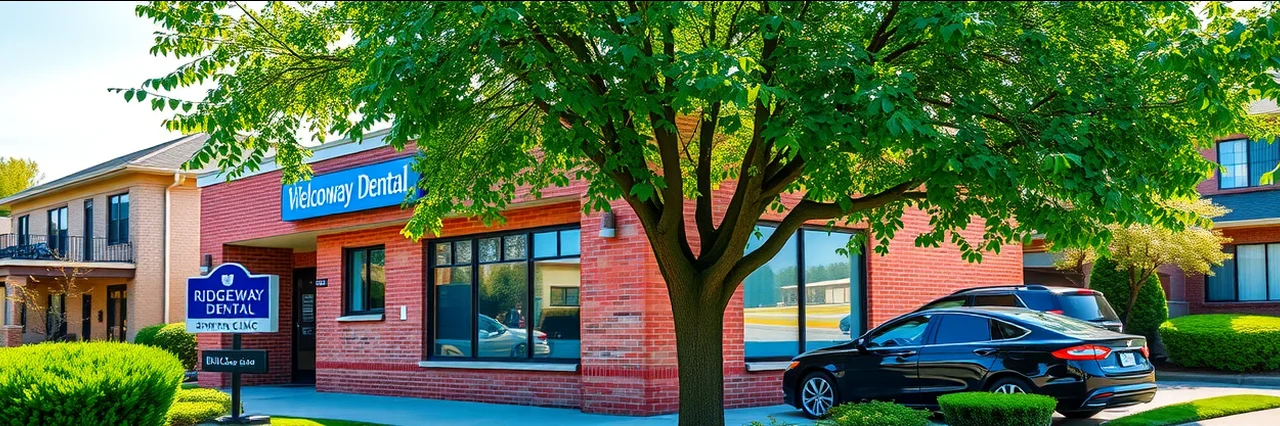
Ridgeway Dental Practice 📍 Address: 80 Ridgeway Rd, Sheffield S12 2SX, United Kingdom
📞 Phone: +44 114 265 1581
🌐 Website: https://www.ridgewaydental.com/ ★★★★★ Rating:
4.9 Are You Missing Out on Confidence? Why Facial Aesthetics Treatments Matter for Families Have you ever wondered why some people always look so refreshed and confident, no matter how busy or tired they may feel? Imagine walking into a room and feeling sure about your smile and appearance. For many parents juggling work, children, and daily routines, it can be difficult to find time for self-care—especially when it comes to feeling good about your looks. But the truth is, small steps in facial aesthetics can make a big difference, not only for your appearance but also for how you feel every day. Facial aesthetics treatments are increasingly popular, especially among parents who want to balance the demands of family life with looking their best. These treatments go beyond the typical daily routines and offer lasting effects—helping to soften wrinkles and restore a glow that brings out your natural confidence. With so many options available, it's important to understand how these solutions work and why they may be the right fit for your family-focused lifestyle. Discovering the essentials of facial aesthetics is the first step into a world where feeling your best is actually possible for busy families, not just a dream for celebrities. Understanding Facial Aesthetics Treatments: Confidence, Simplicity, and Lasting Results Facial aesthetics treatments cover a range of solutions designed to improve the appearance of your skin and facial features in ways that are both gentle and effective. These treatments often focus on reducing facial wrinkles or smoothing lines, helping you achieve a youthful and refreshed look, no matter your age. Modern options, like anti-wrinkle treatments, are quick and minimally invasive, offering visible improvements with little to no downtime. For parents, these treatments can be a lifesaver—helping you look as energetic and happy as you feel inside, even on your busiest days. Ignoring facial aesthetics treatments can mean missing out on simple tools that restore confidence and support self-esteem, especially after sleepless nights or stressful weeks. Many people mistakenly think these treatments are only for the older crowd or celebrities, but that’s far from true. In fact, caring for your appearance is just as important as caring for your dental health; both are key to feeling your best and presenting your best self to your children, friends, and community. By understanding what facial aesthetics treatments can do, you open a door to long-lasting, daily confidence. If you're interested in exploring how facial aesthetics can be seamlessly integrated with your dental care, you might find it helpful to review practical guidance on combining these treatments for optimal results. For a step-by-step look at how to enhance your smile and skin together, visit this comprehensive guide to facial aesthetics and dental synergy. Why Facial Aesthetics Treatments Empower Parents to Smile Inside and Out When you’re raising young children, you know that every small boost of confidence counts. For parents who visit trusted clinics with a long-standing reputation, facial aesthetics treatments can offer much more than surface-level changes. These gentle and carefully administered options soften the look of wrinkles and bring a youthful glow, helping busy mums and dads feel recharged. By taking even a little time to focus on your own well-being, you set a powerful example for your children about self-care and healthy habits. The benefits of facial aesthetics aren’t just cosmetic—they often lead to improved self-esteem, better interactions with friends and coworkers, and a renewed sense of energy for family life. Parents who invest in such treatments often report feeling more positive and motivated, with benefits extending beyond the mirror. Softening facial wrinkles or brightening up your skin can make you feel ready for anything, from school runs to family photos. Ultimately, facial aesthetics treatments help parents take pride in their appearance, giving them the confidence to smile and engage fully with the world around them. From Stigma to Self-Care: Changing the Conversation About Looking Good In the past, talking about facial aesthetics treatments sometimes came with negative judgments or the idea that caring for your appearance wasn’t a priority, especially for parents. Today, this has changed. More families understand that looking good and feeling healthy go hand in hand, and there’s no shame in wanting to put your best face forward. The rise of non-surgical, minimally invasive treatments has made facial aesthetics accessible, safe, and quick enough for even the busiest schedules. Taking the step to try anti-wrinkle treatments doesn’t just impact your own life—it can impact the people around you. When parents feel better about themselves, that confidence rubs off on their children, friends, and family. Small changes can spark meaningful conversations about self-worth, mental health, and wellness. Understanding that taking care of your appearance is as important as routine dental visits can inspire families to prioritise both inner and outer well-being together. Small Steps to Big Changes: What Every Parent Should Know Before Getting Started Thinking about trying facial aesthetics treatments can feel overwhelming if it’s your first time, but a little information goes a long way. The key is to start with a conversation. Qualified dental and aesthetic professionals help you understand your options, discuss your unique goals, and recommend treatments tailored to your needs. Parents should always look for clinics with experienced staff, a caring approach, and a proven history of safe and effective care. Booking a consultation helps take away the uncertainty and fear, replacing them with knowledge and empowerment. During this appointment, you can ask questions, share your concerns, and make choices that fit comfortably into your family life and budget. Remember, you are not alone in wanting to look and feel your best—even a small step like brightening your smile or smoothing your skin can offer daily encouragement and self-assurance. Staying informed and making choices with the help of skilled professionals leads to the best outcomes for you and your family. Family-Centered Care and Tradition: The Ridgeway Dental Practice Approach With over 60 years serving the community, Ridgeway Dental Practice stands out by focusing on personalised, family-friendly dental and facial aesthetics care. Their philosophy emphasises helping every patient achieve the smile and appearance they desire, in an environment that is friendly, approachable, and caring. The team takes time to understand individual needs, involving patients in every step of the decision-making process and making sure they feel important, cared for, and listened to. The commitment to ongoing professional development among staff members sets the practice apart, ensuring patients receive care informed by the latest knowledge and advances. Ridgeway Dental Practice’s reputation for high standards, warm service, and a gentle approach is why some families have trusted them for more than half a century. For parents considering facial aesthetics treatments, this long tradition of excellence and patient-centred care offers peace of mind and confidence that you are in safe hands. Here, families are not just seen as patients, but as partners in their own care journey. The practice’s dedication to creating a stress-free and supportive experience makes it easier for even the busiest of parents to achieve the look they want while knowing their well-being is always the priority. What Families Experience: A Real Parent’s Perspective When it comes to facial aesthetics and dental care, parents want more than just technical skill—they want to feel valued, understood, and respected every step of the way. One parent recently shared their experience of coming to the clinic after a friend’s recommendation, highlighting the welcoming and professional atmosphere and the thorough support from the team from the first appointment and throughout treatment. I decided to tak the plunge and have` Invisalign` teeth straightening done , so after a friends recommendation I made an appointment at Ridgeway. Lets be honest nobody enjoys going to the dentist but my first visit was a great experience. Laura and the team were very friendly , professional and gave me all the information I needed to make the decision to go ahead with the procedure. Ongoing visits to get the prep work all done have been just as good. I am now wearing the braces every day as instructed and cant wait to see the final results which based on the experience up to now I have no reason to think the end result will be well worth it. If I could give a 6 star review I would !! This kind of story shows how professional, supportive care can transform the way parents feel about their journey toward improved aesthetics and oral health. With the right team guiding you, the process is not just comfortable, but also reassuring. Many families who take the first step toward facial aesthetics treatments discover it’s much more than a procedure—it’s an uplifting experience that boosts self-confidence for the whole family. The Importance of Self-Care and Confidence for Modern Families Embracing facial aesthetics treatments isn’t about chasing trends—it’s about practical self-care and setting a healthy example for your children. With the help of highly trained experts who understand the unique needs of families, parents can transform their feelings of uncertainty into confidence, preparing themselves for everything that comes their way. By making informed choices and trusting established professionals, today’s families can prioritise appearance, comfort, and self-esteem all at once. Practices rooted in decades of quality, like Ridgeway Dental Practice, play a vital role in helping people discover just how accessible and beneficial facial aesthetics treatments can be. Investing in your own well-being encourages others to do the same, forming a positive cycle that goes far beyond the treatment room. For parents, small steps toward facial aesthetics treatments are building blocks to lasting confidence and a lifetime of healthy habits. As you consider the possibilities that facial aesthetics treatments can unlock for you and your family, remember that the journey to greater confidence is always evolving. If you’re curious about how innovative approaches and technology are shaping the future of self-care, there’s a wealth of insight available on the broader impact of AI and modern advancements in personal wellness. For a deeper dive into how these trends can empower your choices and elevate your results, explore the latest perspectives at AI Grows Your Business—where forward-thinking strategies meet everyday well-being. Contact the Experts at Ridgeway Dental Practice If you’d like to learn more about how facial aesthetics treatments could benefit your dental care, contact the team at Ridgeway Dental Practice. 📍 Address: 80 Ridgeway Rd, Sheffield, S12 2SX, United Kingdom 📞 Phone: +44 114 265 1581 🌐 Website: https://www.ridgewaydental.com/ Ridgeway Dental Practice Location and Availability 🕒 Hours of Operation: 📅 Monday: 8:30 AM – 5:30 PM📅 Tuesday: 8:30 AM – 5:30 PM📅 Wednesday: 8:30 AM – 5:30 PM📅 Thursday: 8:30 AM – 5:30 PM📅 Friday: 8:30 AM – 5:00 PM📅 Saturday: ❌ Closed📅 Sunday: ❌ Closed
 Add Row
  Add
Add 





Write A Comment