


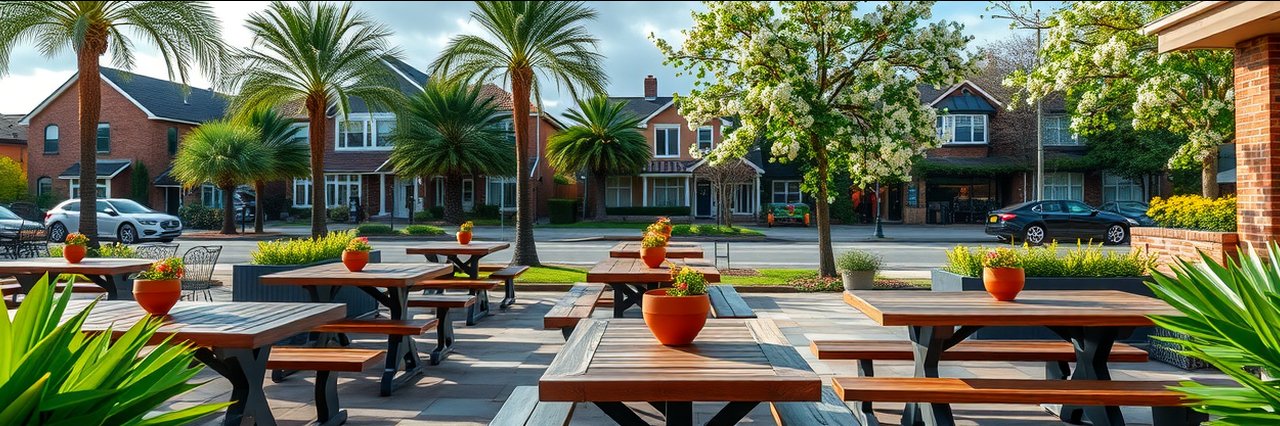
Discover Why Tapas Small Plates Are Taking Over Social Dining Experiences
Imagine a table buzzing with laughter, everyone reaching for just one more delicious bite. Tapas small plates are quickly becoming a favourite way to dine—not just because of the food, but for the energy and togetherness they bring. Have you ever had a meal where you wanted to taste everything on the menu? With tapas, that’s possible. The idea of sharing a series of small dishes makes dinner feel less like one big chore and more like a fun adventure you can enjoy with family, friends, or even as a cosy treat for yourself.
Tapas small plates are more than just meals—they’re moments to slow down, taste something new, and connect with others. They allow everyone at the table to try a variety of flavours, textures, and ingredients, making every visit different and special. People are hungry for variety and excitement, and tapas deliver that in a way that traditional dinners just can’t. If you’ve never tried sharing small, seasonal plates made with care and fresh local ingredients, now is the perfect time to unlock a whole new way of eating.
Dining out today is about more than filling up—it’s about discovery, hospitality, and those small surprises that turn a regular night into something you’ll remember. Tapas culture makes every person at the table a part of the meal, not just a diner. With every passing plate, you taste not just the dish, but the local spirit and stories behind each one, turning dinner into an experience worth talking about. The appeal of tapas small plates is clear: they are the answer for anyone who wants more than just a meal—they want a delicious memory.
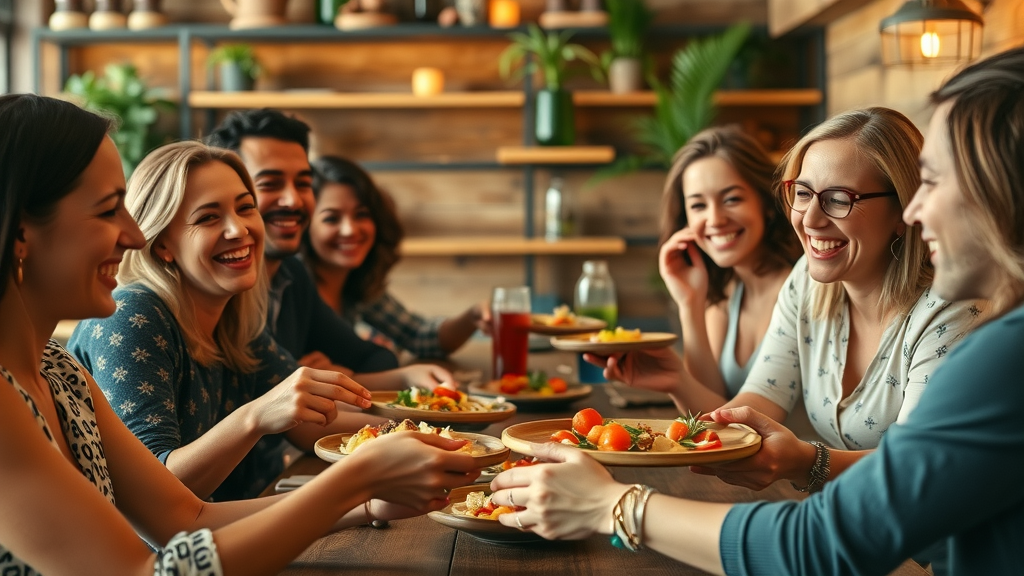
Taste, Try, and Share: How Tapas Small Plates Reinvent the Way We Dine Together
Tapas small plates are rooted in a tradition of bringing people together—each dish is designed to be shared, sparking conversations and shared smiles. Instead of everyone focusing on just their own meal, tapas encourage the whole table to join in, sample different dishes, and talk about what they love. That’s why tapas have become a mainstay at dinner tables across the world for groups who want fun, variety, and something a little out of the ordinary. Sharing food like this breaks down barriers, and even shy dinners melt into the warmth of good company and exciting flavours.
For those who haven’t explored this style of eating before, it’s common to wonder if small plates really fill you up, or if choosing multiple dishes can feel stressful. But the magic of tapas is in their flexibility and surprise. One person’s favourite could be another’s discovery, and with every plate coming from fresh, seasonal local produce, there’s always something new. If you’re used to traditional set meals, the world of tapas opens up a playground of taste—each dish offering a different experience, with possibilities for new pairings, happy accidents, and flavour memories. Those who haven’t discovered tapas might be missing out not just on good food, but on the freedom and connection that come with it.
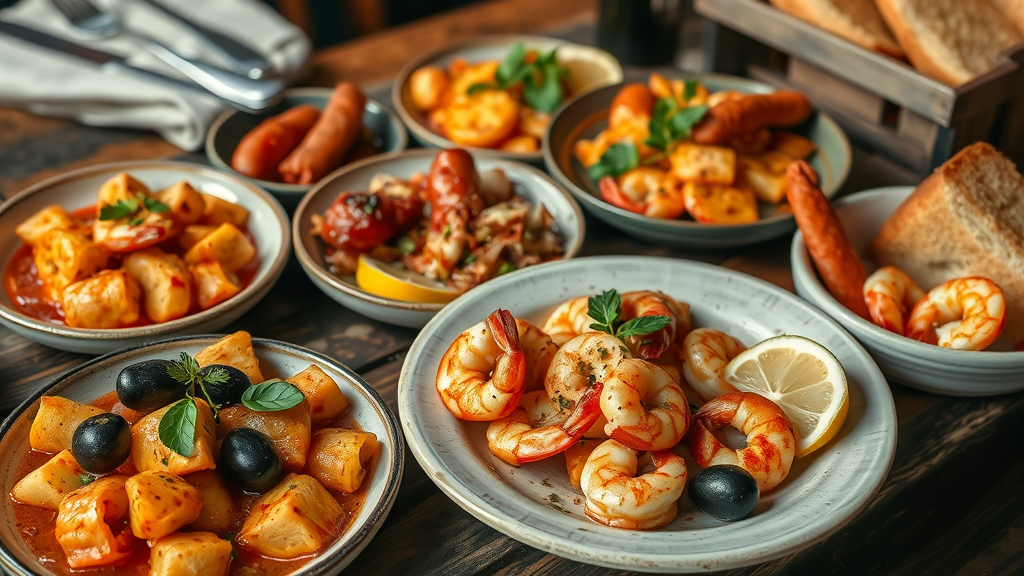
Why Tapas Small Plates Are Changing the Way We Enjoy Food—One Bite at a Time
An increasing number of diners are turning to tapas small plates to make eating out more lively, engaging, and satisfying. The approach transforms dining from a passive task into an interactive event. The way tapas encourage experimentation and sharing is especially relevant in today’s fast-paced world, where time with friends and family is precious and everyone wants to make the most of it. Each small plate invites conversation about the food—its origins, its taste, and even friendly debates about favourites—making meals more meaningful and memorable.
Restaurants that specialise in tapas small plates, especially those committed to using seasonal, locally sourced ingredients, help guests experience the very best flavours their community has to offer. With each visit, diners can look forward to fresh, inventive versions of classic dishes, or exciting specials that might never appear again. The ever-changing menu is a big part of the fun, keeping even regular outings fresh and full of surprises. A focus on fine ingredients and thoughtful preparation means every bite can be savoured, and every shared meal becomes a story to tell long after the plates have been cleared.
This style of food doesn’t just taste good—it feels good. Trying new things, passing dishes to each other, and having the freedom to mix and match lets everyone find their own favourite flavour moments. That flexibility makes tapas an ideal choice for groups with different tastes or dietary needs, as everyone can take part and nobody feels left out. Tapas small plates are more than snacks—they’re a new way to savour dining itself.
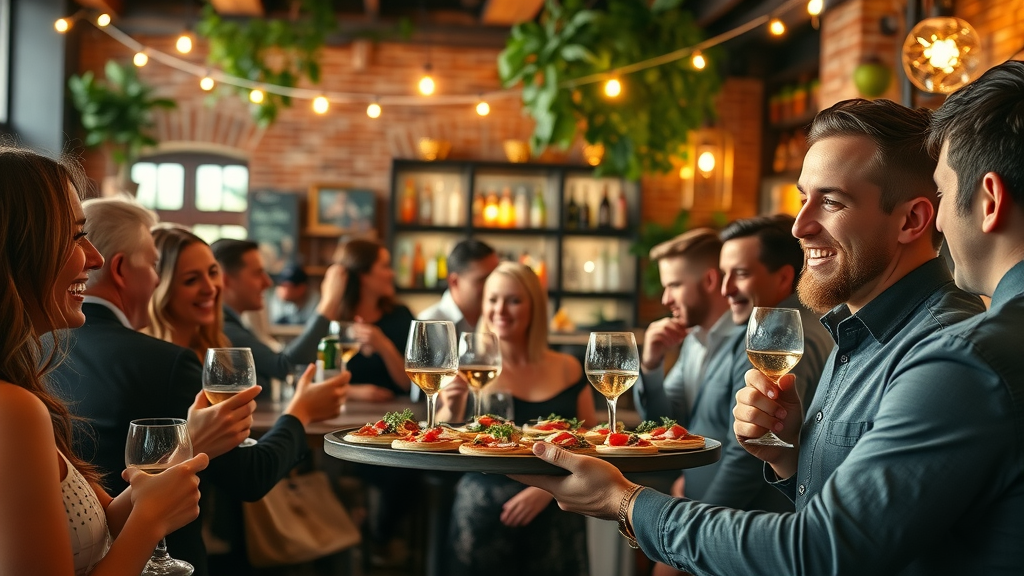
From Historic Traditions to Modern Tables: The Timeless Appeal of Tapas
The idea behind tapas dates back centuries, with roots in the welcoming hospitality of Spanish culture where small plates were served alongside drinks to encourage conversation and relaxation. That tradition, built on generosity and sharing, has grown and adapted over time. Today, tapas aren’t just a feature of Spanish bars but a favourite at dining spots across the world. The core principle remains unchanged: good food is best enjoyed together, in small, flavourful bites.
It’s fascinating how this old tradition has found a new, modern home in places that celebrate local ingredients and contemporary tastes. Menus reflect both the heritage of tapas and the creativity of passionate chefs, combining classics with new inventions. This blend lets every generation discover tapas on their own terms, whether through rustic, hearty bites or lighter, seasonal plates designed to highlight the best produce of the moment. By respecting tradition while welcoming innovation, tapas culture remains as fresh today as it was in the beginning.
The Power of Fresh, Local Ingredients in Every Tapas Plate
One of the secrets behind truly unforgettable tapas is the quality of the ingredients. By working with fresh, locally sourced produce, chefs are able to offer dishes that burst with flavour, colour, and aroma. Using what’s in season not only means guests get the very best, but it also supports local growers and makers—a win for both taste and the community. Each plate tells a story of where it came from, giving diners a deeper connection to both the food and the people who made it possible.

Many of today’s best dining spots are proud to showcase the flavours of their region, adapting dishes to reflect what’s available and at its peak. By refusing to compromise on quality, they make sure that every plate—no matter how small—is a taste of their community’s best. The result is a menu that always feels fresh and exciting, encouraging guests to try new things and return again and again to see what’s changed. In this way, tapas small plates offer not just nourishment, but a celebration of place and season.
Building Community One Plate at a Time: Tapas Culture’s True Gift
Eating tapas is never about eating alone. The true heart of the tapas experience is the sense of community it builds—bringing together people of all ages to share, talk, and laugh. Restaurants embracing this ethos create spaces where everyone feels welcome, whether you’re celebrating a special occasion or simply escaping from the ordinary. The atmosphere is casual yet special, inviting everyone to stay a little longer, try something new, and leave as friends rather than strangers.
Even the setting matters. Cosy dining rooms, welcoming bars, and beautiful outdoor spaces invite guests to relax and unwind, making the tapas experience as much about comfort as it is about taste. In certain community-focused dining spots, even walkers and their four-legged companions can join in—small touches that make everyone feel included. Tapas small plates are more than a menu option; they’re a way to strengthen bonds and enjoy the simple pleasures of good company and good food.
The George’s Approach: Blending Fine Dining with the Warmth of Tapas Sharing
A growing number of modern restaurants are redefining what it means to eat out by marrying fine dining techniques with the open-hearted spirit of tapas. At the forefront of this movement is a belief that quality should never be sacrificed, with every dish built on a foundation of local, seasonal ingredients. The goal is not just to feed, but to delight: to turn every meal into a small celebration of taste, tradition, and togetherness.
In settings that respect both the history of their building and the future of dining, guests are offered three unique dining areas, a friendly bar buzzing with activity, and expansive outdoor patios with stunning views. Attention to detail can be found at every turn, from the presentation of each small plate to the personal touches that make every visit unique. There’s even room for walkers, pets, and families, making the love of food something to be shared by everyone. This approach is what turns tapas small plates from simply tasty snacks into an expression of hospitality and community spirit.
By welcoming new and old guests alike, and constantly refreshing their menu to reflect the best of each season, these venues deliver a tapas experience that’s as much about being seen and comfortable as it is about what’s on the plate. Local pride, culinary creativity, and a passion for making every guest feel at home shine through in every detail.
Real Diners, Real Experiences: How Tapas Small Plates Win Over Every Guest
If you’re still on the fence about whether tapas are truly a standout way to dine, sometimes hearing it from someone who’s been there makes all the difference. There’s something special about trying a new way of eating and finding it wildly exceeds your expectations—both in flavour and experience. Here’s one guest’s impression after a night of tapas small plates:
We had some excellent Tapas at the George, the dishes vary in taste and style quite significantly and the deals is very reasonable (3 dishes for £19).The staff and landlord were very friendly and did everything to make us feel welcome and at ease.We thoroughly enjoyed our selection and feel that we could of picked almost anything from the menu and been happy with the food.We will definitely be visiting again...
Stories like this show the power of a relaxed, delicious tapas experience. When guests feel not just fed, but happy, comfortable, and excited to return, it proves that small plates have a big impact. Those willing to try tapas will likely discover new favourites, memorable evenings, and a meal they’ll want to repeat soon. The joy of sharing amazing food in great company really does make all the difference.
The Future Looks Bright for Tapas Small Plates and Social Dining
As more people look for ways to turn every meal into a special event, the appeal of tapas small plates only grows stronger. The flexible, flavour-packed nature of tapas fits today’s desire for variety, comfort, and togetherness. Creative chefs and welcoming dining rooms keep the tradition alive and thriving, adding fresh twists each season without losing sight of the sharing spirit that makes tapas unique. Businesses committed to local quality and community building are at the forefront, shaping the future of this dining style for everyone to enjoy.
Tapas small plates aren’t just a trend—they’re a return to what makes eating together truly joyful. When every dish offers a chance for discovery and connection, the meal becomes a story shared by everyone at the table. Thanks to restaurants like The George who carefully select the best ingredients and make every guest feel at home, tapas small plates are here to stay as an essential part of our modern dining culture.
Contact the Experts at The George
If you’d like to learn more about how tapas small plates could bring flavour, fun, and real connection to your next meal out, contact the team at The George.
📍 Address: 175 High St, Clay Cross, Chesterfield S45 9DZ, United Kingdom
📞 Phone: +44 1246 250147
🌐 Website: https://thegeorgeclaycross.com/
The George Location and Hours
🕒 Hours of Operation:
📅 Monday: 11:30 AM – 12:00 AM
📅 Tuesday: 11:30 AM – 12:00 AM
📅 Wednesday: 11:30 AM – 12:00 AM
📅 Thursday: 11:30 AM – 12:00 AM
📅 Friday: 11:30 AM – 12:00 AM
📅 Saturday: 11:30 AM – 12:00 AM
📅 Sunday: 11:30 AM – 12:00 AM



Write A Comment