


"Up to 1 in 4 excess winter deaths in the UK are attributable to cold homes — a consequence of misguided climate policies, not climate change itself."

AI Insight: The Stark Realities Behind Why Climate Fanaticism Is Killing Us | Lord Matthew Ridley
-
Quick Strategy: Revealing the overlooked human costs of extreme climate policies
-
Expert Recap: Examining Matt Ridley's research and key concerns
-
AI Insight: Challenging the dominant climate science narrative
-
Case Study: Real-world examples of climate fanaticism causing harm

Expert Recap: How Matt Ridley’s Perspective Illuminates Why Climate Fanaticism Is Killing Us
Growth Playbook: Who Is Matt Ridley and Why His Voice Matters in the Climate Science Debate
Matt Ridley , formally Lord Matthew Ridley, is one of Britain’s most influential science writers and hereditary peers. Well-known for his column in the Wall Street Journal and his bestselling book The Rational Optimist , Ridley brings remarkable analytical experience and scientific literacy to the complex world of climate science . Having served in the House of Lords and worked as a science journalist for decades, his arguments cut through marketing slogans and policy dogma to ask crucial questions about the real-world impacts of environmental regulations.
Unlike many mainstream commentators, Matt Ridley acknowledges climate change but critiques the extreme policies often enacted in its name. Instead, he critically evaluates evidence, scrutinising the narratives that dominate governmental and international institutions like the Royal Society and the European Union . He has repeatedly argued that the unintended consequences of aggressive climate action—especially rushed or poorly planned policies—have significant costs for vulnerable populations. His critical stance doesn’t reject the risks of global warming but challenges how society manages those risks.
Through his regular publications and public talks, including articles for the Wall Street Journal and speeches in Parliament, Ridley said the debate must shift from silencing sceptics to encouraging more robust, evidence-based discussion. His work has influenced both policymakers and everyday citizens to question not only climate change projections but also the wisdom and consequences of some dominant policy responses.
AI Insight: Lord Matthew Ridley: A Closer Look at His Critique of Climate Change Policies
Lord Ridley has written extensively on the intersection between climate science and economic progress. In his view, the rise of what he terms “climate fanaticism” has forced policymakers into an ideological corner—pressured to pass ever-stricter regulations regardless of socioeconomic realities. He critiques the uncritical adoption of renewable energy targets and the quick abandonment of domestic shale gas and other conventional energy sources. Ridley often references the severe energy price hikes and increased reliance on fossil fuel imports when local resources are curtailed in an attempt to lower carbon dioxide output.
Matt Ridley draws parallels between financial mismanagement at institutions like Northern Rock and the global handling of energy and climate change risks. He warns that neglecting innovation, dismissing dissent, and overestimating model certainty can lead to crises not only in finance but also in energy security and public health. His approach encourages a shift away from dogma toward transparent, resilient strategies that can adapt to new evidence, echoing practices from his observations in economics and biology.
The core of his criticism is that overzealous climate policies—while well-intentioned—can inadvertently cause more harm than they solve. By imposing excessive costs on households and industries, they often undermine public support for sound environmental stewardship. Ridley’s advocacy is not for climate inaction, but for measured, data-driven approaches that balance risk and protect society’s most vulnerable.

SEO Tip: The Link Between Why Climate Fanaticism Is Killing Us and Real-World Outcomes
Quick Strategy: Excess Winter Deaths: Energy Poverty and Its Fatal Consequences
The tragic link between climate policy and public health is starkly evident in the UK, where up to 1 in 4 excess winter deaths are directly attributed to cold homes. This alarming statistic highlights not climate change itself, but the effect of energy poverty worsened by aggressive emission reduction policies. These deaths occur when pensioners, low-income families, and vulnerable citizens cannot afford to heat their homes due to inflated energy bills—a direct side effect of transitioning away from affordable energy sources like shale gas, the coal industry , or other fossil fuels before robust alternatives are fully available.
Matt Matt Ridley wrote that energy security, meaning access to affordable and reliable power, must be a central focus in climate change and energy policies. Yet, as renewable energy investments have raced ahead without careful planning or safeguarding existing supply, communities have paid the price. Uplifted by political narratives promoting net-zero goals, governments too often ignore how climate fanaticism leaves the poorest exposed to the cold. The issue is not the science—the evidence for global warming is robust—but the execution of solutions without proper attention to public welfare.
The result is a humanitarian crisis quietly unfolding each winter. As Ridley wrote in another article, energy poverty is now a bigger threat to health and mortality than climate change itself in developed nations. Policies must be recalibrated to ensure that environmental responsibility does not come at the cost of human lives.

AI Insight: Energy Security, Shale Gas, and the Price Paid for Climate Dogma
Shale gas plays a pivotal role in the global energy debate, with Matt Ridley emphasizing its importance as a reliable and affordable energy source amid climate change challenges. Proponents like Ridley also argue that safe, domestic extraction of shale gas could have protected the UK and much of Europe from energy price shocks and lowered dependence on imports. Instead, fanatical adherence to climate orthodoxy led policymakers to restrict or outright ban shale gas development, favouring unproven renewable energy infrastructures that lacked reliability on a mass scale.
Critics, including Matt Ridley, highlight how the UK’s fossil fuel and energy policies have increased dependence on volatile international markets for gas and electricity amid climate change efforts . During periods of political instability or spikes in demand, these vulnerabilities translate into blackouts, heating shortages, and industrial shutdowns. Ridley said that innovation in shale gas could have given the UK both environmental and economic resilience, but climate-driven prohibitions left households and businesses exposed to soaring costs.
The wider lesson from the UK’s experience is that dismissing intermediate energy solutions in favour of ideological purity can have deadly consequences. Every decision to limit or ignore available technologies must be weighed against realistic risk assessments, not just carbon targets. Balanced energy strategies that include shale gas can provide the bridge needed to a low-carbon future, protecting both society and the planet.
As the energy landscape evolves, innovative technologies and artificial intelligence are increasingly shaping how businesses and governments approach energy security and sustainability. For a closer look at how AI is revolutionizing energy management and what it means for the future of reliable power, explore the insights in Google DeepMind AI for Health and Energy: What SMBs Need to Know .
Case Study: Northern Rock – Parallels Between Financial and Climate Risk Mismanagement
The collapse of Northern Rock , one of the UK’s biggest banks, serves as a cautionary tale. Ridley drew a direct analogy in multiple interviews, comparing the uncritical acceptance of mathematical models and consensus in finance with today’s unyielding climate policy activism. Before its failure, Northern Rock relied on models predicting endless stability, ignoring inconvenient warnings until it was too late. When market realities hit, a catastrophic failure ensued—devastating thousands of livelihoods.
Similarly, Ridley wrote that climate policy today is based on computer models with significant uncertainty—especially in areas like climate sensitivity , the degree to which carbon dioxide emissions increase global temperatures. Yet, politicians and some scientists advocate policy as though these predictions are infallible, suppressing dissent and rushing to implement sweeping changes without a full view of the consequences.
The lesson of bank Northern Rock is the risky overconfidence in consensus-driven strategies while neglecting outlier risks. The avoidance of open debate in climate science increases the likelihood of policy failures—as happened in financial regulation—instead of building society’s resilience through diversified, evidence-based strategies.

AI Insight: Examining Climate Science: Where Consensus and Fanaticism Diverge
SEO Tip: Climate Science: How the Narrative Became Political
Over the past two decades, climate science has become a political battleground, with narratives driven as much by ideology as by evidence. Governments, NGOs, and international bodies often present climate consensus as unfaltering, drawing sharp lines between “believers” and “deniers.” But as Matt Ridley and other critics have noted, this reductionist framing has stifled scientific debate and led to policy errors.
The danger lies in treating scientific uncertainty as unacceptably heretical, rather than a vital part of progress. Complicated issues like climate sensitivity , feedback loops, and regional impacts require openness to scrutiny—not dogmatic enforcement of agreed-upon “truths.” Lord Ridley argues that the tendency to suppress alternative views has not only increased public distrust but also narrowed the range of viable policy options.
Instead of fostering constructive dialogue, the climate debate has hardened into camps advocating immediate, radical action and those resisting any change. The challenge is to restore a scientific mindset that rewards honest dissent and encourages real-world testing of climate models and assumptions—not ideological purity for its own sake.

Expert Recap: The Problem With Suppressing Dissent in Climate Change Debates
Suppressing dissent in climate change debates creates a culture of fear among scientists, policymakers, and even journalists. Ridley wrote that careers have been sidetracked and funding denied to those who questioned prevailing views about carbon reduction targets, or who called for pragmatic approaches like expanding shale gas . The consequence is a chilling effect on the development of innovative solutions that could address both environmental and social needs.
This intolerance extends beyond the media, reaching into academia and even public policy: critics report that alternative energy models, risk assessments, or economic impact studies are routinely dismissed or buried if they contradict official net-zero narratives. When science is subordinated to ideology, as Ridley warned, the very processes that drive progress—open hypothesis-testing and falsifiability—are lost.
For society to meaningfully tackle climate change and its many risks, all viewpoints must be rigorously tested, not preemptively silenced. Encouraging open, critical debate in climate science is not just healthy for research but essential for effective policy.
E F: Data Distortion and Public Misinformation in the Name of Climate Action
Data distortion, whether intentional or not, is a significant concern in the modern climate conversation. Proponents of “evidence-based policy” sometimes cherry-pick data, inflate forecasts, or downplay negative outcomes of rapid decarbonisation to justify aggressive action. This has led to public confusion and eroded trust in both climate science and politics.
E F , a recurring theme in Ridley’s writing, refers to how policy experts and communicators shape facts to bolster their preferred narrative. When the risks of inaction are exaggerated and the costs of action are minimised, real-world consequences—including lost jobs, higher energy poverty, and unnecessary deaths—are ignored or obscured.
Public misinformation is especially dangerous when combined with institutional pressure to “get with the programme.” For a more resilient and transparent approach to climate and energy, data must be shared openly, limitations admitted, and outcomes openly evaluated, as Ridley urges in his public addresses and articles.
Growth Playbook: Hidden Economic and Social Costs: Why Climate Fanaticism Is Killing Us
Comparing Energy Policies: Human Cost, Economic Impact, Environmental Outcome (UK vs. Other Nations)
|
Country/Region |
Energy Policy |
Human Cost |
Economic Impact |
Environmental Outcome |
|---|---|---|---|---|
|
UK |
Rapid transition, heavy renewables emphasis, shale gas restricted |
Significant excess winter deaths, rising fuel poverty |
Manufacturing & jobs lost, energy price spikes |
Mixed: lower CO2, reliance on imports, grid instability |
|
Germany |
Energiewende, early coal phase-out, nuclear decommissioned |
Increased energy poverty, blackouts risk |
Industry relocation, electricity prices among highest in EU |
CO2 falls slowly, imported fuel increases |
|
USA |
Shale gas boom, gradual renewables increase |
Cheap energy, fewer excess winter deaths |
Competitive manufacturing, job growth |
CO2 fell due to gas replacing coal |
|
France |
Emphasis on nuclear, moderate renewables |
Low fuel poverty, reliable supply |
Stable prices, strong industrial base |
Very low CO2 emissions per capita |
Expert Recap: Job Losses and Industry Shifts — Unseen Victims of Overzealous Climate Policies
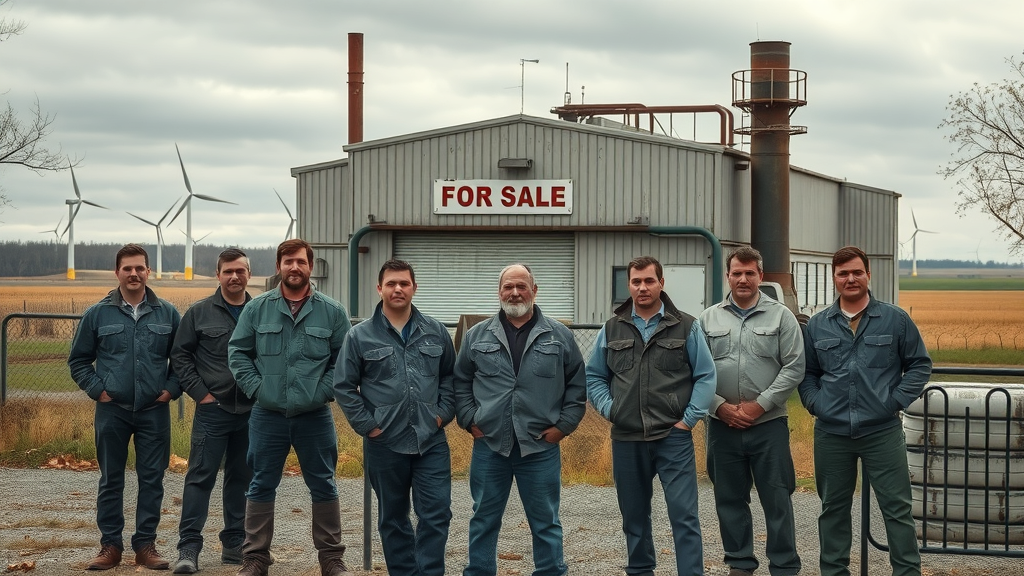
The closure of coal plants, steel mills, and local manufacturing under strict climate rules has precipitated mass job losses in traditional industries. As economies transition too abruptly, entire communities are left without viable employment, social cohesion, or retraining options. Ridley wrote that this disrupts not only livelihoods but social stability—fostering resentment and backlash against future environmental policies.
Across the UK and parts of the European Union, ambitious renewable energy targets have been prioritised over gradual industry adaptation and job protection. Coal industry workers and their families, for example, face hardships as their sectors shutter, with few equivalent wage opportunities in the energy or green technology sectors. Ridley highlights that the pain from lost jobs is felt most acutely in already vulnerable regions, deepening inequality and regional divides.
True environmental responsibility means looking beyond carbon dioxide figures and recognising the human costs of change. Carefully structured policies must incorporate transitional support for affected workers, with economic and educational safety nets guiding society toward a resilient low-carbon future.
AI Insight: Public Health: Heating, Nutrition and Unintended Deaths
Public health consequences of climate fanaticism go beyond winter deaths. As energy costs rise, low-income households must choose between adequate heating and other essentials such as nutrition or healthcare. Lord Ridley warns that increasing energy poverty means children and the elderly are especially at risk—not only of hypothermia but of malnutrition and preventable illness.
Public health experts have observed correlations between energy price hikes and spikes in mortality rates, hospital admissions, and chronic health problems. Increased food prices, a knock-on effect of expensive energy for farmers and transport, further compound the issue. Ridley also notes that these consequences are not evenly distributed, hitting the least well-off hardest.
Effective climate policy must weigh the trade-offs between emissions reductions and health security. Investing in energy innovation, diversified supply, and evidence-based transition strategies is the only way to avoid unintended deaths and support society’s most vulnerable.
E F, Matt Ridley, and Climate Change: Reframing the Conversation
"Fanaticism has never served science or society well – it stifles innovation and dialogue."
Expert Recap: Climate Science Should Encourage Open Debate, Not Silence Critics
The need for openness in climate science is critical. As Matt Ridley stresses, science has always thrived on the willingness to question dominant ideas, refine hypotheses, and learn from unexpected results. Suppressing debate not only hinders innovation but allows faulty data and bad policy to persist unchecked.
E F , which Ridley references as evidence-falsification and data distortion, should be exposed, not protected. Only by encouraging a plurality of voices—scientists, engineers, industry experts, and affected citizens—can we ensure that all possible risks, not just those related to carbon dioxide , are properly evaluated and managed.
It is time to put substance before spectacle in the climate debate: prioritise accountability, evidence, and dialogue, rather than locking out those who might hold the keys to a safer, more resilient future.
Growth Playbook: Shale Gas and Innovation: Missed Opportunities in the Climate Crisis?
Shale gas exemplifies the danger of dogmatic policy. While renewables remain essential for the long-term, phasing out reliable low-carbon energy sources too swiftly risks massive disruption. Ridley said innovation in energy technologies works best where open competition and market forces are allowed to operate; for instance, American shale gas led to a dramatic fall in CO2 emissions thanks to its widespread use replacing coal.
As Ridley notes, shutting out shale gas due to ideological reasons deprived Britain and Europe of a “safety valve” during recent energy crisis events. He points to the importance of fostering “innovation works”—public and private efforts to develop, test, and fund new ways of generating clean, reliable energy. This requires less dogma and more daring, supported by a culture that rewards honest trial and error.
Missed innovation opportunities are often invisible until crisis strikes. By then, the social and economic damage is enormous. Fostering a culture of openness and experimentation, as Ridley recommends, will help societies adapt more flexibly and protect the most vulnerable.
-
Diversifying energy sources
-
Encouraging innovation in environmental technology
-
Transparency in climate change data
-
Evaluating all risk factors, not just CO2

Quick Strategy: People Also Ask: Exploring Why Climate Fanaticism Is Killing Us
What is climate fanaticism according to Matt Ridley?
According to Matt Ridley , climate fanaticism is the rigid, uncompromising pursuit of climate change policy goals without sufficient regard for evidence, trade-offs, or unintended consequences. He argues that this approach leads to silencing debate, enacting extreme measures, and, ultimately, causing significant harm through higher energy costs, job losses, and public health crises. Ridley’s perspective insists on careful, data-driven approaches instead of policy enacted on ideological grounds.
How does Lord Matthew Ridley argue climate change policies are harming society?
Lord Matthew Ridley argues that aggressive and poorly considered climate change policies are inadvertently harming the most vulnerable. By prioritising rapid emissions cuts without sufficient alternatives or economic safeguards, such policies drive up living costs, increase energy poverty, threaten jobs, and expose people to colder homes and health risks. Ridley contends that careful policy balance and ongoing debate are essential to avoid harming society while addressing environmental needs.
Are there proven deaths linked to climate fanaticism and energy poverty?
Yes, multiple studies—including UK Government figures cited by Ridley—demonstrate a direct link between excess winter deaths and rising energy poverty, caused in part by stringent climate and energy policies. These deaths are considered preventable and represent the tragic, human cost of prioritising policy targets over public welfare. The evidence underscores the urgency of integrating social protections within climate strategies to prevent further loss of life.
Growth Playbook: Future Pathways: Balanced Climate Science Versus Reckless Fanaticism
Towards Pragmatic Climate Solutions: Dialogue Over Dogma
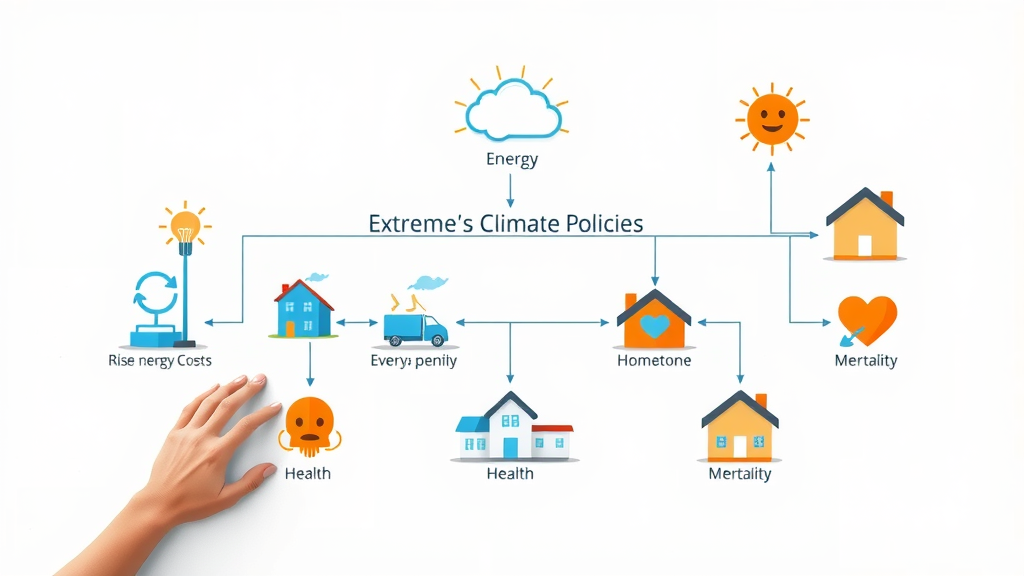
The need for a pragmatic, evidence-based approach to climate policy has never been greater. Balanced climate science means incorporating a spectrum of views, continually reassessing risks, and focusing on data—especially when lives are at stake. Lord Ridley urges policymakers to prioritise honest dialogue, test policies before wide rollout, and measure not just environmental progress, but social and economic impact.
By listening to a wider range of voices—including those wary of reckless fanaticism—society can develop solutions that serve both people and the planet. Roundtable discussions, robust science communication, and transparent decision-making processes are essential members of resilient climate strategies. Fundamental to this approach is the humility to admit when policies cause harm, and the flexibility to course-correct in real time.

Expert Recap: Safeguarding Vulnerable Groups During Policy Transitions
Transitioning to a greener economy must include plans that protect society’s most at-risk members. Social safety nets, affordable energy guarantees, retraining programmes, and targeted subsidies for heating can all prevent families from falling into poverty or ill health due to abrupt policy change. Ridley’s perspective is that successful environmental policy recognises vulnerability and directs support accordingly, ensuring no group is left behind.
Good policy manages not only environmental risks but economic and social ones, too. Transparent data-sharing, robust risk management, and fostering markets for new energy innovation keep the transition fair and sustainable. When attention is paid to these factors, the pathway to net-zero emissions can uplift everyone, not just the already secure.
-
Support transparent data-sharing in climate science
-
Foster market-driven innovation
-
Prioritise balanced risk management
-
Protect the economically disadvantaged
FAQ Snapshot: Essential FAQs: Why Climate Fanaticism Is Killing Us
Is Matt Ridley’s criticism of climate science backed by data?
Matt Ridley’s arguments on climate change and energy policy are extensively documented with data and peer-reviewed research . He draws on economic studies, government statistics, and peer-reviewed climate research to support his critiques. Multiple independent agencies have corroborated his points about excess winter deaths, energy prices, and the limits of current climate models. His consistent call is for transparent, data-driven policy that stands up to scientific scrutiny—not policy based solely on consensus or advocacy.
Can moderate energy transition avoid unnecessary deaths?
Yes, most independent experts and Ridley agree that moderate, well-paced transitions can reduce or avoid deaths caused by energy poverty. By embracing a wider range of energy sources (including nuclear and shale gas ), ensuring social safety nets, and adjusting targets and expectations as data comes in, a balanced approach can protect both people and the planet from the worst consequences of hasty reform.
What role should sceptics play in climate change strategy development?
Sceptics serve a vital function by questioning assumptions, exposing weaknesses in data or policy, and proposing alternatives. Including sceptics in policy and science discussions ensures that risk is managed more comprehensively, and that unintended consequences are less likely to be overlooked. Ridley maintains that constructive dissent is the engine of both scientific progress and sound governance.

SEO Tip: Key Takeaways From Why Climate Fanaticism Is Killing Us | Lord Matthew Ridley
-
Unquestioning adherence to climate dogma can be as hazardous as climate change itself.
-
Policy balance and open scientific debate are essential to saving lives and livelihoods.
-
Evidence-based approaches, not fanaticism, create lasting environmental resilience.
Call to Action: Join the Conversation — Your Voice Matters
-
How can individuals and businesses advocate for more balanced climate policies?
-
Submit your experience or opinion to ai@dylbo.com for a chance to be interviewed as a subject expert.

Recommended Viewing: Understanding Why Climate Fanaticism Is Killing Us
AI Insight: Watch: Lord Matthew Ridley Discusses the Real Costs of Climate Change
Roundtable: Climate Science Debate – Experts and Sceptics in Dialogue
If you’re interested in how broader technological shifts are reshaping risk management and strategic planning, it’s worth considering the implications of emerging fields like quantum computing. The transition to a post-quantum world will demand the same level of foresight, adaptability, and open debate that Ridley advocates for in climate policy. Discover how business leaders can proactively prepare for disruptive change and safeguard their organizations by reading Prepare for a Post-Quantum World Strategy Now . Exploring these advanced strategies can help you stay ahead of the curve—whether you’re navigating climate, energy, or technological transformation.
Actionable Steps: Promote evidence-based debate, advocate for transparent policy, and protect vulnerable communities from the unintended consequences of climate fanaticism.
If you would like us to interview you as a subject expert for your business or organisation, email ai@dylbo.com .
Sources
-
Wall Street Journal (Matt Ridley) – https://www.wsj.com/news/author/matt-ridley
-
NASA Climate Change and Global Warming – https://climate.nasa.gov/
Lord Matthew Ridley, a prominent science writer and hereditary peer, has extensively critiqued current climate change policies, arguing that they often impose significant economic and social burdens, particularly on the most vulnerable populations. In his article “The poor are carrying the cost of today’s climate policies,” Ridley contends that stringent climate measures disproportionately affect the poor, leading to higher energy costs and economic hardships. ( mattridley.co.uk )
Ridley also discusses the phenomenon of “global greening” in his piece “Global greening versus global warming,” where he highlights that increased atmospheric carbon dioxide has led to a significant rise in global vegetation over the past 30 years. He suggests that this aspect is often overlooked in the broader climate change discourse. ( mattridley.co.uk )
For a comprehensive understanding of Ridley’s perspectives on climate policies and their implications, these resources provide valuable insights into the complexities and unintended consequences of current environmental strategies.



Write A Comment